

Master in Reproductive Biotechnologies at University of Teramo
Two-year English-taught LM-9 master's at the University of Teramo on gamete biology, IVF, ICSI, cryopreservation and the genetics of infertility, preparing graduates to run human and animal assisted reproduction laboratories.
Master
2 years
English
University of Teramo


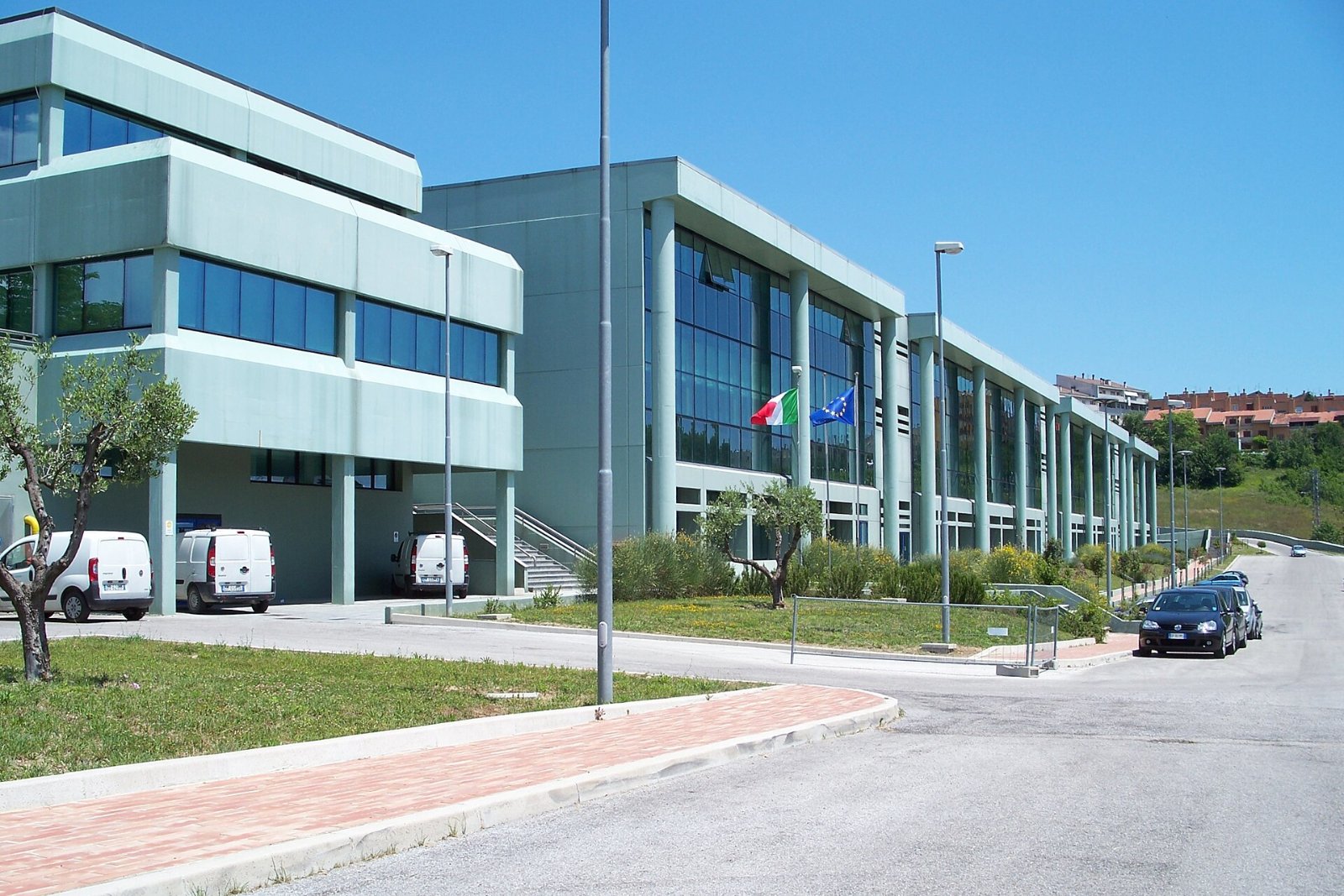
Reproductive Biotechnologies is a two-year, 120 ECTS master's degree (class LM-9) taught entirely in English at the University of Teramo, training specialists for human and animal assisted reproduction labs. Access is open after a knowledge check, and with a flat non-EU fee it can be tuition-free for eligible students.
Entry requirements
- A bachelor's or master's degree in a biological, biotechnological or medical and health field (for example Italian classes L-2, L-13, L-38, LM-6, LM-9, LM-41 or LM-42), or an equivalent foreign degree.
- At least 15 credits in biochemistry, molecular biology, genetics or medical genetics.
- At least 15 credits in cytology, histology, cell physiology, cell culture or related veterinary and medical subjects.
- A knowledge check by multiple-choice and true or false test and/or an interview with the course committee.
- English at B1 level or above, assessed at interview; the university's international guide asks for B2 on English-taught courses.
About the programme
Reproductive Biotechnologies is a two-year master's degree (laurea magistrale, class LM-9, medical, veterinary and pharmaceutical biotechnology) worth 120 ECTS. It is run by the Department of Bioscience and Agro-Food and Environmental Technology and taught only in English at Campus Aurelio Saliceti in Teramo.
The goal is to train experts who can manage medically assisted reproduction laboratories for both humans and animals. It suits graduates in biology, biotechnology, veterinary science or medicine who want a hands-on career in fertility and embryology. The course has the patronage of SIERR, the Italian society of embryology, reproduction and research.
What you will study
Lessons and individual lab practice cover gamete structure and function, sperm and oocyte interaction, fertilisation and embryo development, and the techniques used to isolate, manipulate and cryopreserve gametes and embryos. The 2026/27 plan includes:
- Biology of Gametes, IVM and IVF Techniques (11 ECTS)
- Cryobiology (11 ECTS), including cryopreservation of gametes
- Molecular Markers in Reproduction and Structure and Function of the Reproductive System
- Andrology I and II, and diagnostic histology of reproductive cells and tissues
- Genetics of Human Reproduction, covering the genetic causes of infertility and genetic testing
- ICSI Procedure and Advanced Techniques in Medically-Assisted Procreation
- Legislation and Bioethics in Medicine of Reproduction, plus electives such as tissue engineering or reproductive toxicology
How the programme is taught
Teaching mixes lectures, individual lab work and input from external specialists who work in human reproduction in public and private centres. Tutors run periodic check-in tests in every unit, supported by an e-learning platform. The second year includes a 5 ECTS internship, which the course encourages students to take at certified centres in Italy or abroad, and a 12 ECTS thesis. Erasmus agreements support study periods abroad.
Career paths
The university points graduates to:
- Public and private assisted reproduction and reproductive medicine centres
- Zootechnical artificial insemination centres
- Research institutions in reproductive and biomedical science
- Molecular diagnostics, bioengineering, and the development of cell and gene therapies
- Management roles directing biotechnology laboratories
Graduates can also continue to specialisation courses or a PhD in Italy or abroad.
Fees and scholarships
This course refunds 50% of university fees (compulsory charges excepted) if you gain an English certificate above B1 during the degree, and in full if you spend a term at a university abroad. Base 2026/27 fees for students with income only abroad are flat by World Bank group: €50, €300 (middle-income, including countries like India) or €600, plus €156 in taxes. With ADSU Teramo grants, it can be tuition-free for eligible students.
How to apply from outside the EU
Check first that your bachelor's covers the credits listed above; the course runs preparation classes each year before the enrolment deadline. You then request a remote preliminary evaluation from the university, sit the knowledge test or interview, pre-enrol on Universitaly and, once validated, apply for a type D study visa.
For 2026/27 the Universitaly and visa window ran from April to 30 November 2026, with enrolment from 1 July to 5 November 2026. The 2027/28 dates are pending.
How ApplyAZ helps
If this programme fits your goals, ApplyAZ can include it in a shortlist of 20 to 30 English-taught programmes at Italian public universities. We write your CV and a tailored statement of purpose, submit your applications and Universitaly pre-enrolment, file your DSU scholarship application and prepare your visa file, with a named person on each stage. The university decides admission, the region decides the scholarship and the consulate decides the visa. See how ApplyAZ works or check your eligibility.
Questions and answers
Is Reproductive Biotechnologies taught in English?
Yes. The course is delivered only in English. The course rules assess English at interview and accept B1 as a minimum, while the university's international guide asks for B2, so a B2 certificate is the safer choice.
Which bachelor's degrees are accepted?
Biological, biotechnological or medical and health degrees, such as biology, biotechnology, animal science, veterinary medicine or medicine, with at least 15 credits in biochemistry and genetics and 15 in cell biology and physiology.
Is there an entrance test?
Yes, a knowledge check. The committee uses a multiple-choice and true or false test and/or an interview on cytology, cell physiology, biochemistry, molecular biology and genetics. Preparation classes run before the enrolment deadline.
When can I apply for 2027/28?
The 2027/28 calendar is not published. For 2026/27, Universitaly pre-enrolment and visa requests ran from April to 30 November 2026, and enrolment from 1 July to 5 November 2026.
How much does it cost?
For 2026/27, students with income only abroad paid €50, €300 or €600 a year by country group, plus €156 in taxes. The course refunds 50% of fees for an English certificate above B1 and all of them for a term abroad.
Where do graduates work?
In human and animal assisted reproduction centres, reproductive medicine clinics, artificial insemination centres and research institutes, as well as in molecular diagnostics and cell or gene therapy development.
Similar programmes
More programmes in this city

They began right where you are

