

Master in Food Science and Technology at University of Teramo
Two-year English-taught LM-70 master's at the University of Teramo in food quality, safety, processing and shelf life, with two curricula, a traineeship and an optional double degree with Chulalongkorn University in Bangkok.
Master
2 years
English
University of Teramo


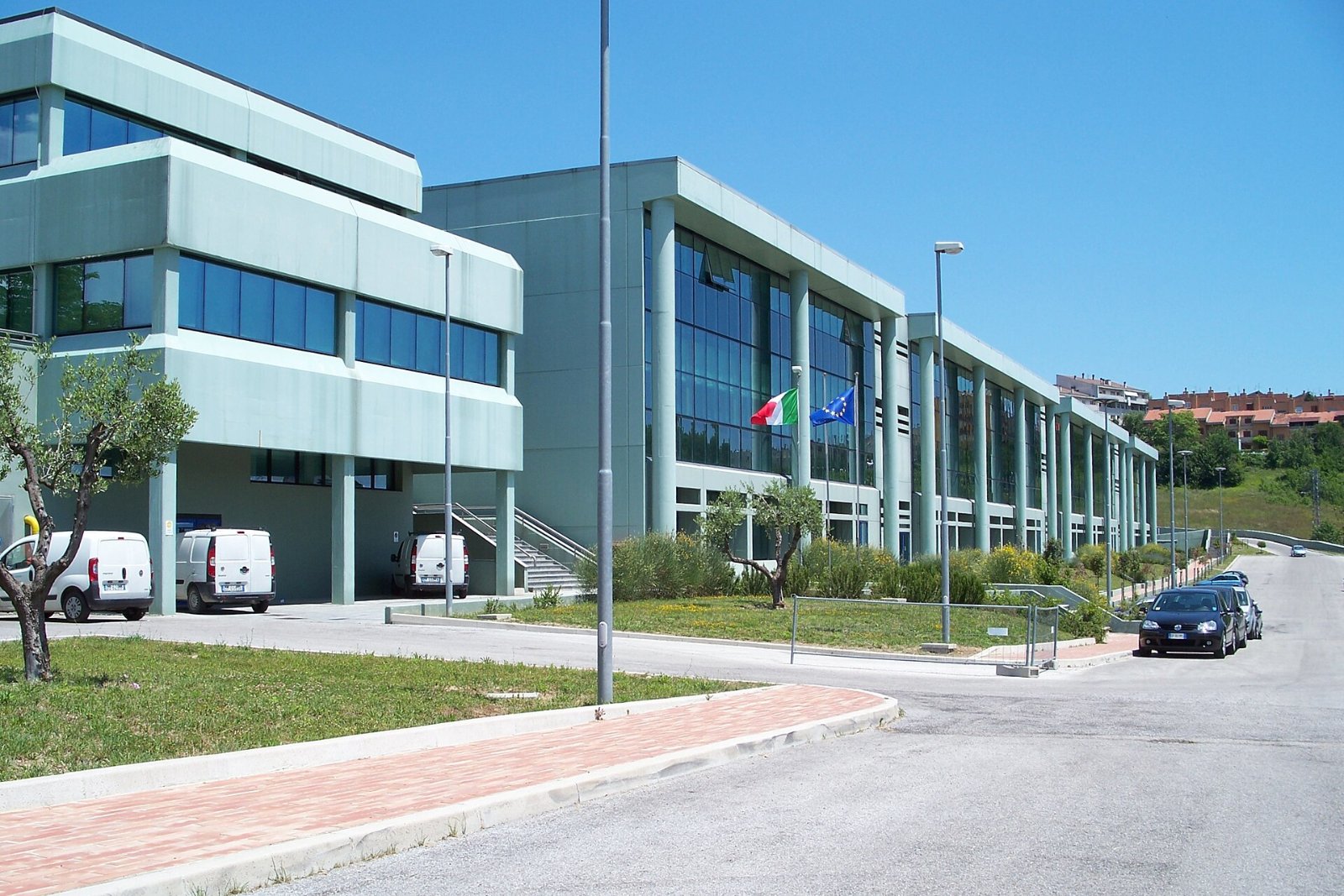
Food Science and Technology is a two-year, 120 ECTS master's degree (class LM-70) taught in English at the University of Teramo, with curricula in food process innovation and sustainable food systems and a double degree option in Bangkok. With a flat non-EU fee and ADSU grants, it can be tuition-free for eligible students.
Entry requirements
- A bachelor's degree in food science and technology or food engineering, or in biotechnology, biology, agriculture, chemistry, pharmacy, environmental science or animal production; other STEM degrees need board approval.
- For foreign degrees, at least 60 ECTS across chemistry, agronomy and animal production, biology and biochemistry, unit operations, food processing, food engineering and food microbiology.
- English at B2 level (IELTS, TOEFL iBT or equivalent), or a degree taught entirely in English with a medium of instruction certificate.
- A compulsory assessment test of 30 multiple-choice questions; you need 18 or more to enrol, and it can be retaken until enrolment closes.
- International graduates sit the test online after a pre-assessment of their qualification.
About the programme
Food Science and Technology is a two-year master's degree (laurea magistrale, class LM-70) worth 120 ECTS, taught in English by the Department of Bioscience and Technology for Food, Agriculture and Environment at Campus Aurelio Saliceti in Teramo. It is a different course from the university's Italian-taught bachelor with the same name.
The degree trains food scientists who can design, manage and improve food production from raw materials to distribution and catering, with a focus on quality, safety and sustainability. It suits graduates in food science, food engineering or related life science degrees.
What you will study
You choose between two curricula: Food Process Innovation and Digitalisation, or Sustainable Food Systems. Both share a first-year core in analysis, processing, product design and microbiology. Units in the 2026/27 plan include:
- Chemical analysis of foods and chemometrics, and Nutritional and applied biochemistry
- Food process and wastewater engineering (9 ECTS) and Food product design (8 ECTS)
- Industrial microbiology (10 ECTS)
- Marketing and agri-food business, and Food safety management
- Innovation and shelf-life extension, with shelf-life calculation and estimation
- Traceability of the food supply chain, including AI for food innovation and blockchain (digitalisation curriculum)
- Sustainable primary production and Food legislation and policies (sustainability curriculum)
How the programme is taught
Teaching combines lectures with work in the department's food labs, where students also run their thesis experiments. The second year includes a 6 ECTS traineeship and a 22 ECTS master's project. The department has more than 300 agreements with food companies and research centres for traineeships, some supported by Erasmus+ grants. An optional double degree curriculum with Chulalongkorn University in Bangkok, running since 2020/21, leads to both universities' degrees.
Career paths
The university lists these main areas of work:
- Food and agri-food companies at every stage of the supply chain
- Large retail groups
- Public and private bodies for food analysis, quality control, certification and research
- Quality assurance and quality control roles
- Training institutions and consultancy, in line with the rules of the Italian order of food technologists
Fees and scholarships
Fees for 2026/27 follow a flat scale when your family income and assets are only outside Italy: €50 for low-income countries, €300 for middle-income countries (countries like India are in this group) and €600 for high-income countries, plus €140 regional tax and €16 stamp duty. Students with a valid ISEE-U pay by ISEE instead. ADSU Teramo awards regional grants, so this master's can be tuition-free for eligible students.
How to apply from outside the EU
Fill in the course's pre-acceptance application form first, so the board can check your degree and credits. You are then invited to the online assessment test and must score at least 18 out of 30. Once accepted, you pre-enrol on Universitaly and apply for a type D study visa. Pre-courses run in the last weeks of September.
For 2026/27, enrolment was open from 1 July to 5 November 2026 and the Universitaly window closed on 30 November 2026. The 2027/28 calendar is pending.
How ApplyAZ helps
If this programme fits your goals, ApplyAZ can include it in a shortlist of 20 to 30 English-taught programmes at Italian public universities. We write your CV and a tailored statement of purpose, submit your applications and Universitaly pre-enrolment, file your DSU scholarship application and prepare your visa file, with a named person on each stage. The university decides admission, the region decides the scholarship and the consulate decides the visa. See how ApplyAZ works or check your eligibility.
Questions and answers
Is Food Science and Technology taught in English?
Yes. The master's is taught in English and needs English at B2 level, shown by IELTS, TOEFL iBT or a similar certificate, or by a degree taught entirely in English with a medium of instruction certificate.
Which bachelor's degrees are accepted?
Food science and technology or food engineering, or degrees such as biotechnology, biology, agriculture, chemistry or pharmacy if you have at least 60 ECTS in chemistry, biology, food processing, food engineering and related subjects.
Is there an entrance test?
Yes. A 30-question multiple-choice test on food chemistry, processing, microbiology, economics and law is compulsory. You need 18 or more to enrol, and international graduates can sit it online.
Can I earn a double degree?
Yes. An optional curriculum with Chulalongkorn University in Bangkok, Thailand, has run since 2020/21 and leads to degrees from both universities.
When can I apply for 2027/28?
The 2027/28 calendar is not published. For 2026/27, enrolment ran from 1 July to 5 November 2026, and Universitaly pre-enrolment and visa requests closed on 30 November 2026.
How much does it cost?
For 2026/27, students with income only abroad paid €50, €300 or €600 a year by country income group, plus €156 in taxes. ADSU Teramo grants are open to eligible enrolled students.
Similar programmes
More programmes in this city

They began right where you are

