

Bachelor in Biotechnology at University of Teramo
Three-year English-taught L-2 bachelor's at the University of Teramo in medical and pharmaceutical (red) biotechnology, with lab work on cells, zebrafish, C. elegans and mammal models, plus bioinformatics and an internship.
Bachelor
3 years
English
University of Teramo


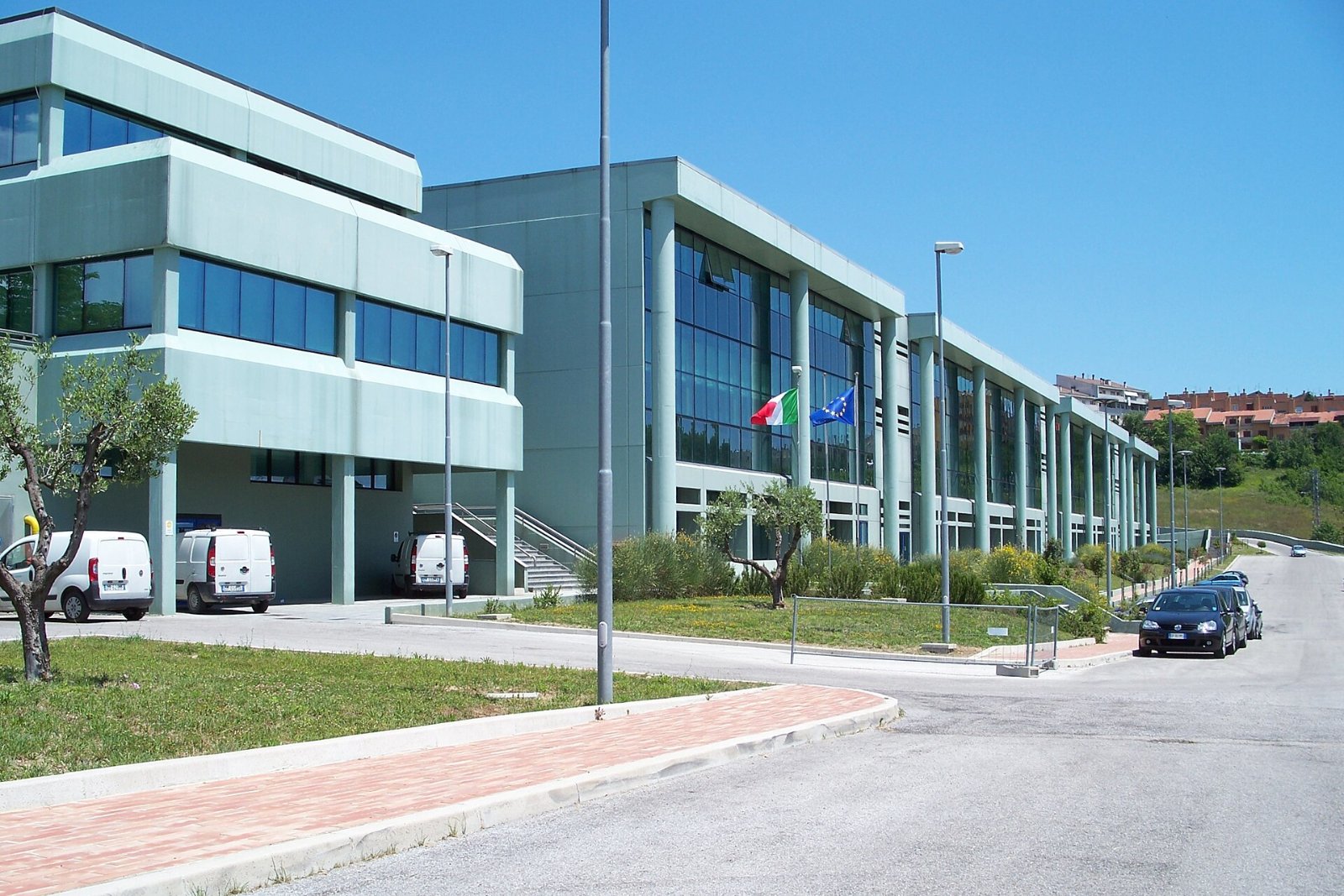
Biotechnology is a three-year, 180 ECTS bachelor's degree (class L-2) taught entirely in English at the University of Teramo, focused on medical and pharmaceutical biotechnology with heavy lab work. Access is open, and with a flat non-EU fee and ADSU grants it can be tuition-free for eligible students.
Entry requirements
- A secondary school diploma after at least 12 years of schooling, plus a pass certificate for a national university entrance exam if your country sets one.
- Basic knowledge of biology, chemistry and logic; a science or pre-medical school background fits best.
- English at B2 level, with a certificate no older than five years; a medium of instruction letter or an IB with English can replace it.
- No selective test: the CEnT-S is optional, and students who skip it or score low receive catch-up credits (OFA).
- A declaration of value, CIMEA or ARDI certificate at final enrolment.
About the programme
Biotechnology is a three-year bachelor's degree (laurea, class L-2) worth 180 ECTS, run by the Department of Bioscience and Agro-Food and Environmental Technology of the University of Teramo. This English edition is a separate degree course from the Italian-taught Biotechnology bachelor, and it is delivered at Campus Aurelio Saliceti in Teramo with open access.
The focus is red biotechnology: new technologies and products for healthcare and pharmaceuticals. It suits students with a solid school grounding in biology and chemistry who want lab skills and an international outlook from the first year.
What you will study
You study living systems from viruses and bacteria to cultured cells and model organisms, with a strong thread of chemistry, genetics and data analysis. Units in the 2026/27 plan include:
- Cell Biology and Methodologies for the Study of Cells and Tissues (15 ECTS), with cell culture and microscopy labs
- Principles of Chemistry, Analytical Chemistry, General Biochemistry and Biochemistry of Metabolism
- Microbiology, Molecular Biology, and Genetics with medical genetics labs
- Laboratory of biochemical methodologies with zebrafish, C. elegans and mammal models
- Pathophysiology and Immunology, and Pharmacology applied to biotechnology
- Genetic Engineering, Gene Therapy and Data Analysis (13 ECTS), including bioinformatics and data mining with AI
- Bioethics, scientific communication, and the economics of biotech companies
How the programme is taught
The year runs in two semesters, roughly October to mid-January and March to mid-June, with a winter exam session in February. Labs are built into most units, often with individual workstations. International students take a 3 ECTS Italian language unit in year one, and everyone completes an internship in university labs or in partner companies and research institutes before a short final exam.
Career paths
The university prepares graduates to enter the job market directly or move on to a master's degree in biomedical or pharmaceutical biotechnology. Typical settings include:
- Public and private research institutes working on the production, testing and certification of biotech products
- Analysis laboratories, hospitals and pharmaceutical companies
- Biotech firms in industrial, veterinary, chemical and bioinformatics fields
- Patent work and scientific communication, with roles such as junior biologist, patent consultant or scientific information officer
Fees and scholarships
For 2026/27, students whose family income and assets are only abroad pay a flat contribution by World Bank group instead of an ISEE-based fee: €50 (low-income countries), €300 (middle-income, including countries like India) or €600 (high-income), plus €140 regional tax and €16 stamp duty. A valid ISEE-U replaces the flat rate. After enrolling you can apply to ADSU Teramo, whose calls usually open in July, so the degree can be tuition-free for eligible students.
How to apply from outside the EU
Start with the course's online preliminary evaluation form, attaching your passport, diploma and transcripts. A committee reviews files between February and September, weighing how well your last three school years fit the degree, your grades in chemistry, physics and biology, how recent your diploma is and your English. Decisions take about two to three weeks, and evaluations may close early once places fill.
With a pre-acceptance letter you pre-enrol on Universitaly and apply for a type D study visa. For 2026/27, enrolment on the UniTE online secretariat opened on 1 July 2026. The 2027/28 calendar is pending.
How ApplyAZ helps
If this programme fits your goals, ApplyAZ can include it in a shortlist of 20 to 30 English-taught programmes at Italian public universities. We write your CV and a tailored statement of purpose, submit your applications and Universitaly pre-enrolment, file your DSU scholarship application and prepare your visa file, with a named person on each stage. The university decides admission, the region decides the scholarship and the consulate decides the visa. See how ApplyAZ works or check your eligibility.
Questions and answers
Is this Biotechnology degree taught in English?
Yes. This edition is delivered entirely in English and is a separate course from the Italian-taught Biotechnology degree. You need English at B2 level, or a school diploma taught in English.
Is there an entrance test?
No selective test. The CEnT-S checks your biology, chemistry and reasoning, but it is optional. If you skip it or score below two correct answers per area, you get catch-up credits to clear in year one.
Which school background is accepted?
A 12-year secondary diploma with a good fit in the sciences. The committee values pre-medical streams and grades in chemistry, physics and biology, and prefers diplomas awarded within the last five years.
When can I apply for 2027/28?
The 2027/28 calendar is not published. For 2026/27, the preliminary evaluation had no fixed deadline, the committee reviewed files from February to September, and the Universitaly and visa window closed on 30 November 2026.
How much does it cost?
For 2026/27, non-EU students with income only abroad paid €50, €300 or €600 a year by country income group, plus €156 in taxes. ADSU Teramo grants are open to eligible enrolled students.
What can I do after graduating?
You can work in research institutes, analysis labs, hospitals and pharmaceutical or biotech companies, for example as a lab technician or scientific information officer, or continue to a master's degree in biotechnology.
Similar programmes
More programmes in this city

They began right where you are

