

Master in Language Sciences and Cultural Studies for Special Needs at University of Parma
Two-year English-taught LM-39 master at the University of Parma on inclusive language education, accessibility, subtitling and cultural studies, with three curricula. Entry needs a languages, linguistics or humanities degree and English at B2+ or C1.
Master
2 years
Parma
English
University of Parma


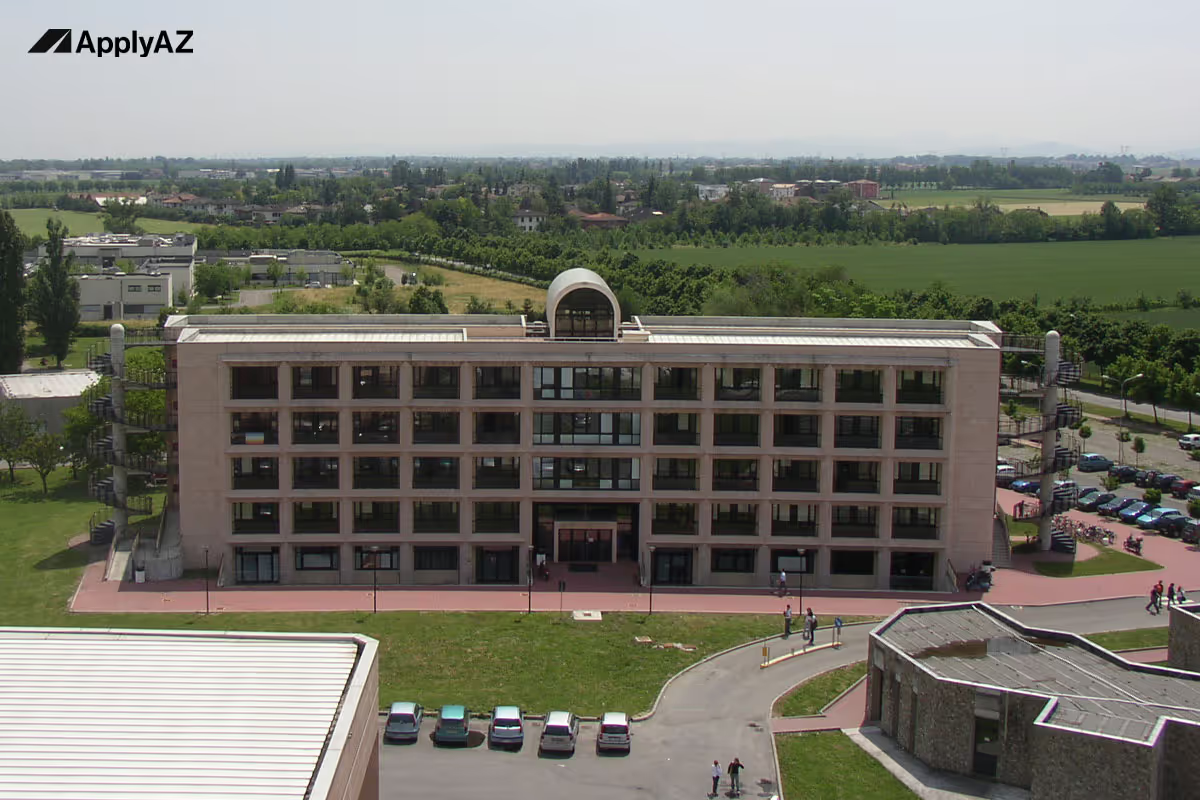
Language Sciences and Cultural Studies for Special Needs is a two-year, 120 ECTS master's degree (class LM-39) taught in English at the University of Parma. Entry needs a degree in linguistics, foreign languages or the humanities, plus English at B2+ or C1, shown by IELTS 6.5, TOEFL 79 or CAE. Fees follow family income, so it can be tuition-free for eligible students.
Entry requirements
Detailed entry requirements
Parma's Language Sciences and Cultural Studies for Special Needs master asks international applicants for a degree in linguistics, foreign languages or the humanities, English at B2+ or C1 with a certificate, a second-language certificate for the Second Foreign Language curriculum, and a review of your documents that may include an interview. Reviewed 8 October 2026. [1]
Degree requirement
International applicants must hold a degree in linguistics, foreign languages or the humanities. [1][2] The 2026/27 admissions portal lists an undergraduate diploma or higher as the entry qualification. [2] The call does not set a minimum grade or a credit count for applicants with foreign degrees. [1]
What this means for your transcript
As a guide, based on the rule above:
- Usually a fit: a BA in English, linguistics or a modern foreign language.
- Check carefully: a BA in another humanities subject, such as history or philosophy. It falls within the humanities area, but the board reviews your documents and may test your language and subject knowledge at interview.
- Often short: a B.Tech, B.E., B.Sc., BCA, B.Com or BBA, because these degrees sit outside the linguistics, languages and humanities areas the call names.
English
English at B2+ or C1, certified by IELTS with a minimum score of 6.5, TOEFL with a minimum score of 79, or Cambridge CAE. [1][2] Neither the call nor the 2026/27 portal page lists an exemption for international applicants. [1][2]
Curriculum language rules
The degree has three curricula, and two of them carry their own language rules. [1][5]
- Second Foreign Language: French, Spanish or German at B2+ or C1, or Russian at B1+ or B2, shown with an international language certificate.
- Italian Language and Culture for International Students: no knowledge of Italian is required.
- Teaching Italian as an L1/L2: the programme page asks for no extra documents beyond a bachelor's degree obtained in Italy.
Selection
The call does not set a written entrance test. The admissions board assesses the documents you send for pre-evaluation and may also ask you to attend an interview on your language, cultural and subject-specific knowledge. [1][2]
Deadlines
For 2026/27, non-EU applicants who needed a visa applied through the university's admissions portal. The first intake closed on 6 April 2026, and a second intake for a few programmes, including this one, ran from 4 to 26 June 2026. [3]
In 2025/26 the windows were 20 February to 22 April 2025 and 10 May to 20 June 2025, and Universitaly applications had to arrive by 30 July 2025. [1] The next call sets the 2027/28 dates.
Documents and non-EU steps
Non-EU applicants living abroad follow three steps: a pre-evaluation application that leads to a pre-acceptance letter, Universitaly pre-enrolment with that letter for a type D study visa, and enrolment on the university's ESSE3 system with payment of the first instalment. [1] The 2026/27 application fee was €30, which covers up to three requests in each call. [2]
Your degree certificate and transcript must be in English or Italian, or come with official translations, and you deliver the originals in person to finalise enrolment. [2] For 2026/27, Parma also asked holders of foreign qualifications for the legalised or apostilled degree certificate with a legalised translation, a transcript of records, and either a declaration of value or a CIMEA statement of comparability. [4]
Sources and verification
Checked by the ApplyAZ admissions team against the university's official documents listed below. Entry rules can change with each new call, and we re-check them before every application.
- University of Parma, Welcome, Mobility and International Students Unit. Admission to second-cycle degree courses taught in English for non-EU visa applicants, academic year 2025/26. Reviewed 8 October 2026.
- University of Parma, Admissions Portal. Master's degree in Language Sciences and Cultural Studies for Special Needs, course listing for academic year 2026/27. Reviewed 8 October 2026.
- University of Parma. Master's degree courses in English: intakes for international applicants, academic year 2026/27. Reviewed 8 October 2026.
- University of Parma. Mandatory enrolment documents for holders of foreign qualifications, academic year 2026/27. Reviewed 8 October 2026.
- University of Parma. Language Sciences and Cultural Studies for Special Needs programme website, enrolment procedures and deadlines, undated. Reviewed 8 October 2026.
About the programme
Language Sciences and Cultural Studies for Special Needs is a two-year laurea magistrale in linguistics (class LM-39) worth 120 ECTS. It is run by the Department of Humanities, Social Sciences and Cultural Industries of the University of Parma, and all core subjects are taught in English.
The degree builds advanced skills in four areas: foreign languages, educational linguistics with a focus on learners with disorders that affect language learning and communication, multimedia accessibility, and cultural studies. It suits graduates in languages, linguistics or the humanities who want to work on inclusive teaching or accessible content.
What you will study
The first year shares a core in linguistics and language education. You then follow one of three curricula: Second Language (French, German, Russian or Spanish), Teaching Italian as an L1/L2, or Italian Language and Culture for International Students, which starts Italian from beginner level. Units in the 2026/27 plan include:
- Cognitive Linguistics and Neuroscience and Language
- Language Learning, Teaching and Assessment
- Language Education for Special Needs
- English Language and Literature, then English Language and Linguistics (12 CFU each)
- Clinical Linguistics, Special Needs Education or Instructional Design for Language Teaching and Learning
- Intercultural Communication
- Academic Writing and Soft Skills
- An internship (6 CFU), research methodology and a 16 CFU dissertation
How the programme is taught
The course is delivered in blended mode. In-person attendance in Parma is strongly recommended and all exams are taken in person, while lessons of the main subjects are recorded and extra material sits on the Moodle platform. Teaching relies on interaction, project work, oral presentations and essays, and multimedia lessons support self-study.
Career paths
The university describes an original professional profile that combines languages, educational linguistics, accessibility and cultural studies. Graduates can find work in:
- Inclusive education for people with special needs
- Language teaching with non-traditional methods and environments
- Text accessibility in traditional and digital publishing
- Audio description and subtitling for deaf and hard of hearing audiences
Fees and scholarships
For 2026/27 Parma charges a one-time €156 administration fee at enrolment. Tuition then ranges from €0 to a maximum of €2,000 a year, depending on your family's financial situation. [2] ER.GO runs the regional scholarship for Emilia-Romagna, and you apply for it before you arrive in Italy, so this degree can be tuition-free for eligible students. [1]
How to apply from outside the EU
We check the language rules for your curriculum first: besides English, the Second Language path asks for a certified level in French, Spanish, German or Russian, and the board may interview you.
Non-EU applicants who need a visa apply for pre-evaluation on the university's admissions portal. For 2026/27 the application fee was €30, which covers up to three requests in each call. [2] The first 2026/27 intake closed on 6 April 2026, and a second intake for this programme ran from 4 to 26 June 2026. [3] After a positive pre-evaluation you receive a pre-acceptance letter, complete Universitaly pre-enrolment and request a type D study visa, then enrol on ESSE3 by paying the first instalment. [1] Enrolment needs a declaration of value or a CIMEA statement of comparability. [4] The 2027/28 dates are not yet published.
How ApplyAZ helps
ApplyAZ is an Italy-based consultancy that works only with public universities. We can include this programme in a shortlist of 20 to 30 English-taught programmes that fit your profile, so your plan never rests on a single application.
For eligible students who start with us, a named person owns each stage, from A to Z:
- We check your transcript against Parma's entry rules for this programme.
- We write your CV and a tailored statement of purpose.
- We prepare and submit your pre-evaluation application, Universitaly pre-enrolment and ESSE3 enrolment.
- We help you declare your family income for reduced fees and file your ER.GO Emilia-Romagna scholarship application at the right time and in the right format.
- We prepare your visa file.
With operations in all 20 Italian regions, we follow each region's scholarship rules and deadlines as they change. The university decides admission, the region decides the scholarship and the consulate decides the visa, so no one can promise an outcome. You pay in milestones, and every service you pay for is either delivered or its fee is refunded (terms apply).
Programmes at Italian public universities can be tuition-free for eligible students. Check if you are eligible and book a one-to-one consultation session with one of our Italy experts, or see how ApplyAZ works.
Questions and answers
What bachelor's degree do I need for Parma's Language Sciences for Special Needs master?
International applicants need a degree in linguistics, foreign languages or the humanities. The call sets no minimum grade or credit count for foreign degrees, and the admissions board reviews your documents and may interview you. [1][2]
Is there an entrance exam?
The call does not set a written test. The admissions board assesses the documents you send for pre-evaluation and may ask you to attend an interview on your language, cultural and subject-specific knowledge. [1][2]
What English level is required? Do I need IELTS?
You need English at B2+ or C1, certified by IELTS with at least 6.5, TOEFL with at least 79, or Cambridge CAE. Neither the call nor the 2026/27 portal page lists an exemption, so we plan your file around one of these certificates. [1][2]
When is the deadline for non-EU students?
For 2026/27 the first intake closed on 6 April 2026 and a second intake for this programme ran from 4 to 26 June 2026. In 2025/26, Universitaly applications had to arrive by 30 July 2025. The 2027/28 dates are not yet published. [1][3]
I have a BA in English, a B.Com or a B.Sc. Can I apply?
A BA in English, linguistics or a foreign language matches the areas Parma lists. A B.Com, B.Sc. or B.Tech sits outside linguistics, languages and the humanities, so it is often short of the stated rule. The board decides after reviewing your documents. [1]
Do I need to speak Italian?
No. The Italian Language and Culture for International Students curriculum requires no knowledge of Italian. The Second Foreign Language curriculum instead needs a certificate in French, Spanish or German at B2+ or C1, or Russian at B1+ or B2. [1][2]
Is the course online?
It is blended. In-person attendance in Parma is strongly recommended and exams are taken in person, while main lessons are recorded and extra material is on Moodle.
Can someone handle my whole application to Language Sciences for Special Needs at Parma?
Yes. ApplyAZ, an Italy-based consultancy that works only with public universities, checks your transcript against Parma's rules for this programme, handles the application and Universitaly pre-enrolment, helps you file the ER.GO Emilia-Romagna scholarship application at the right time and in the right format, and prepares your visa file, for eligible students. Start by checking your eligibility.
I'm applying from India. What is the route into Language Sciences for Special Needs?
An Indian BA in English, linguistics, a foreign language or another humanities subject sits within the degree areas Parma lists, and you also need English at B2+ or C1, shown by IELTS 6.5, TOEFL 79 or CAE. The steps are the pre-evaluation application, a pre-acceptance letter and Universitaly pre-enrolment. [1][2] Indian students apply for the type D study visa at the Italian embassy or consulate that covers their state, such as New Delhi, Mumbai or Bengaluru.
Is the route different from Pakistan, Bangladesh or Sri Lanka?
No. The academic rules for Language Sciences for Special Needs are the same whatever your nationality. Applicants from Pakistan, Bangladesh and Sri Lanka follow the same steps as India: online pre-evaluation application, pre-acceptance letter and Universitaly pre-enrolment, then a type D study visa from the Italian mission for their country of residence. Read our guide for students in Dhaka.
I live in the UAE, Saudi Arabia, Qatar, Kuwait, Oman or Bahrain. Where do I apply for the visa?
At the Italian embassy or consulate responsible for the country where you legally live, after Universitaly pre-enrolment. The academic rules for Language Sciences for Special Needs are the same whatever your nationality, and Gulf residents follow the same steps: online pre-evaluation application, pre-acceptance letter and Universitaly pre-enrolment. Read our guides for Dubai, Riyadh and Doha.
I'm applying from the UK, US, Canada, Singapore or Malaysia. Is anything different?
The academic rules are identical. Non-EU applicants who live abroad, including citizens of these countries, follow the same route: online pre-evaluation application, pre-acceptance letter and Universitaly pre-enrolment, then a type D study visa. Read our guides for London, New York, Singapore and Kuala Lumpur.
More English-taught programmes at this university
Other public universities in this city

They began right where you are

