

Master in Public and Health Economics at University of Molise
Two-year English-taught LM-56 master's at the University of Molise in Campobasso, combining public and health economics, econometrics and machine learning, health law and a mandatory internship.
Master
2 years
English
University of Molise


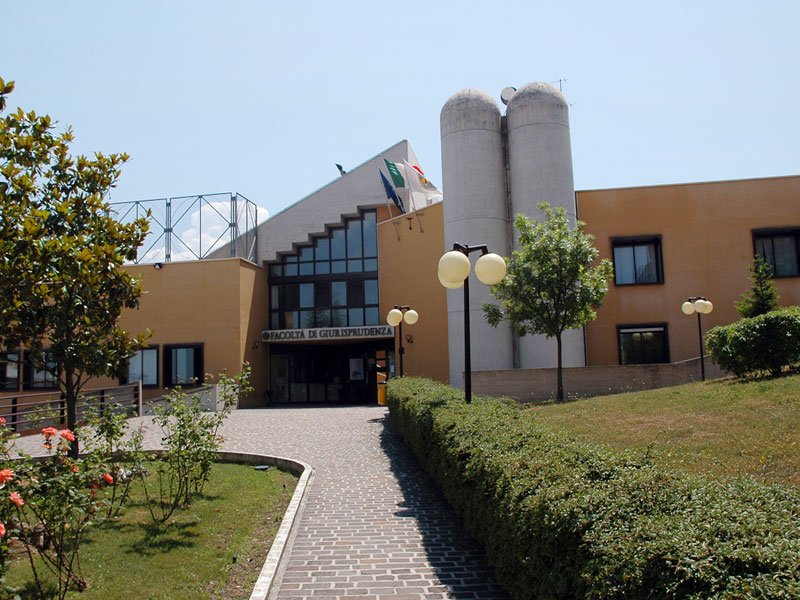
Public and Health Economics is a two-year, 120 ECTS master's degree (class LM-56) taught entirely in English by the Department of Economics of the University of Molise in Campobasso. Fees are capped at €1,849 a year and reduced by income or merit, so it can be tuition-free for eligible students.
Entry requirements
- A bachelor's degree in Italian class L-33, L-18, L-41, L-16 or L-36, or an equivalent foreign degree of at least three years (15 years of schooling in total).
- Graduates of other fields need at least 18 ECTS in economics or economic policy and 9 ECTS in statistics or demography before enrolment.
- English at B2 level or above, shown by IELTS, TOEFL, PTE Academic, Cambridge or an English-taught degree; otherwise an interview or placement test.
- Selection by a Department of Economics committee on your transcript, possibly with an interview (also online) or subject tests.
- Diploma, transcript, course syllabus and a Declaration of Value issued by the Italian embassy.
About the programme
Public and Health Economics is a two-year master's degree (laurea magistrale, class LM-56, economics) worth 120 ECTS and run by the Department of Economics of the University of Molise in Campobasso. The university states that the whole degree is delivered in English. Access is open rather than capped, subject to a check of your background and English level.
The programme suits graduates in economics, business, statistics, public administration or political science who want to work on health systems, welfare and public policy using data. It combines economic theory with quantitative methods and the legal and management side of public health, with a strong focus on policy evaluation and evidence-based decisions.
What you will study
The first year covers the fundamentals of economics, statistics, mathematics and public policy. The second year moves to specific topics such as public policy evaluation, data analysis applied to health economics and predictive analytics. The department organises the study plan around four pillars, with 12 courses, elective credits, an internship and a final dissertation:
- Economics and public policy: public economics, health economics, welfare systems, resource allocation and policy design
- Quantitative methods: econometrics, statistics, predictive analytics and machine learning
- Management and law: public sector accounting, governance and the legal frameworks of health systems at national and European level
- Public policy evaluation and planning, using mathematical and statistical tools on real cases
- Professional experience: a mandatory internship in public institutions, international organisations or private firms
- Final thesis: original research under academic supervision
How the programme is taught
Teaching mixes lectures with an intensive programme of seminars, project work and hands-on training. The department lists collaborations with partners including Agenas, the Italian Ministry of Health, the Conference of Regions and the Bank of Italy, which give students the chance to apply what they learn in real settings, and study trips abroad are also planned.
The course page also links the degree to the European Master in Official Statistics (EMOS) network, which is relevant if you are interested in a career in official statistics.
Career paths
The department describes graduates as able to assess public policies, manage healthcare resources and support decisions with evidence, in Italy and abroad. Typical roles it names include:
- Health economics analyst in research institutes, public health agencies or international organisations
- Public policy consultant for governments, NGOs or private firms, in areas such as healthcare, ageing, social welfare and sustainability
- Data scientist for the public and health sectors
- Manager in hospitals, regional health agencies, ministries or development organisations
- Researcher or PhD student in economics, public health or related fields
Possible employers include ministries and regional governments, international organisations such as the WHO, OECD and European Commission, and private companies in health, insurance, pharmaceuticals and consulting.
Fees and scholarships
For this programme the university lists a maximum yearly contribution of €1,849: a €16 stamp duty, a €140 regional tax and a variable part that can be reduced by income or academic merit, with rates that may differ by country of origin. Two programme scholarships were offered to international students for 2026/27. ESU Molise, the regional body for the right to study, runs yearly scholarships, so this programme can be tuition-free for eligible students.
How to apply from outside the EU
Start with the programme's own check: a Department of Economics committee reviews your transcript and English level and may hold an interview, also online. Prepare your bachelor's diploma, transcript, syllabus and a Declaration of Value from the Italian embassy in the country where you graduated; documents in English need no translation.
Non-EU applicants living abroad then pre-enrol on Universitaly, which for 2026/27 generally opened in May, and the university forwards the application to the embassy for the type D study visa. After arrival you apply for a residence permit within 8 working days.
How ApplyAZ helps
If this programme fits your goals, ApplyAZ can include it in a shortlist of 20 to 30 English-taught programmes at Italian public universities. We write your CV and a tailored statement of purpose, submit your applications and Universitaly pre-enrolment, file your DSU scholarship application and prepare your visa file, with a named person on each stage. The university decides admission, the region decides the scholarship and the consulate decides the visa. See how ApplyAZ works or check your eligibility.
Questions and answers
Is the Master in Public and Health Economics taught in English?
Yes. The University of Molise states that the degree is delivered entirely in English, and applicants need English at B2 level or above, shown by a certificate such as IELTS, TOEFL, PTE Academic or Cambridge, or by an English-taught degree.
Which bachelor's degrees are accepted?
Italian classes L-33 Economics, L-18 Business Administration, L-41 Statistics, L-16 Public Administration and L-36 Political Science qualify directly. Other graduates need 18 ECTS in economics or economic policy and 9 ECTS in statistics or demography before enrolling.
Is there an entrance test?
There is no general entrance exam. A committee of the Department of Economics reviews your transcript and preparation, and it may add an individual interview, which can be held online, or short tests in the required subject areas.
When can I apply for the 2027/28 intake?
The 2027/28 calendar is not published yet. For 2026/27, the university said Universitaly pre-enrolment for non-EU applicants generally opens in May, and enrolment for the year ran from 1 July to 30 September.
How much does the programme cost?
The university lists a maximum annual contribution of 1,849 euros, made up of a 16 euro stamp duty, a 140 euro regional tax and a variable part reduced by income or merit. Rates can vary by country of origin, and ESU Molise scholarships are available to eligible students.
What jobs do graduates go on to?
The department names roles such as health economics analyst, public policy consultant, data scientist for the public and health sectors, and manager in hospitals, health agencies or ministries, plus PhD study. Employers include public bodies, international organisations and private firms.
Similar programmes
More programmes in this city

They began right where you are

