Is Viterbo a good place to study for international students?
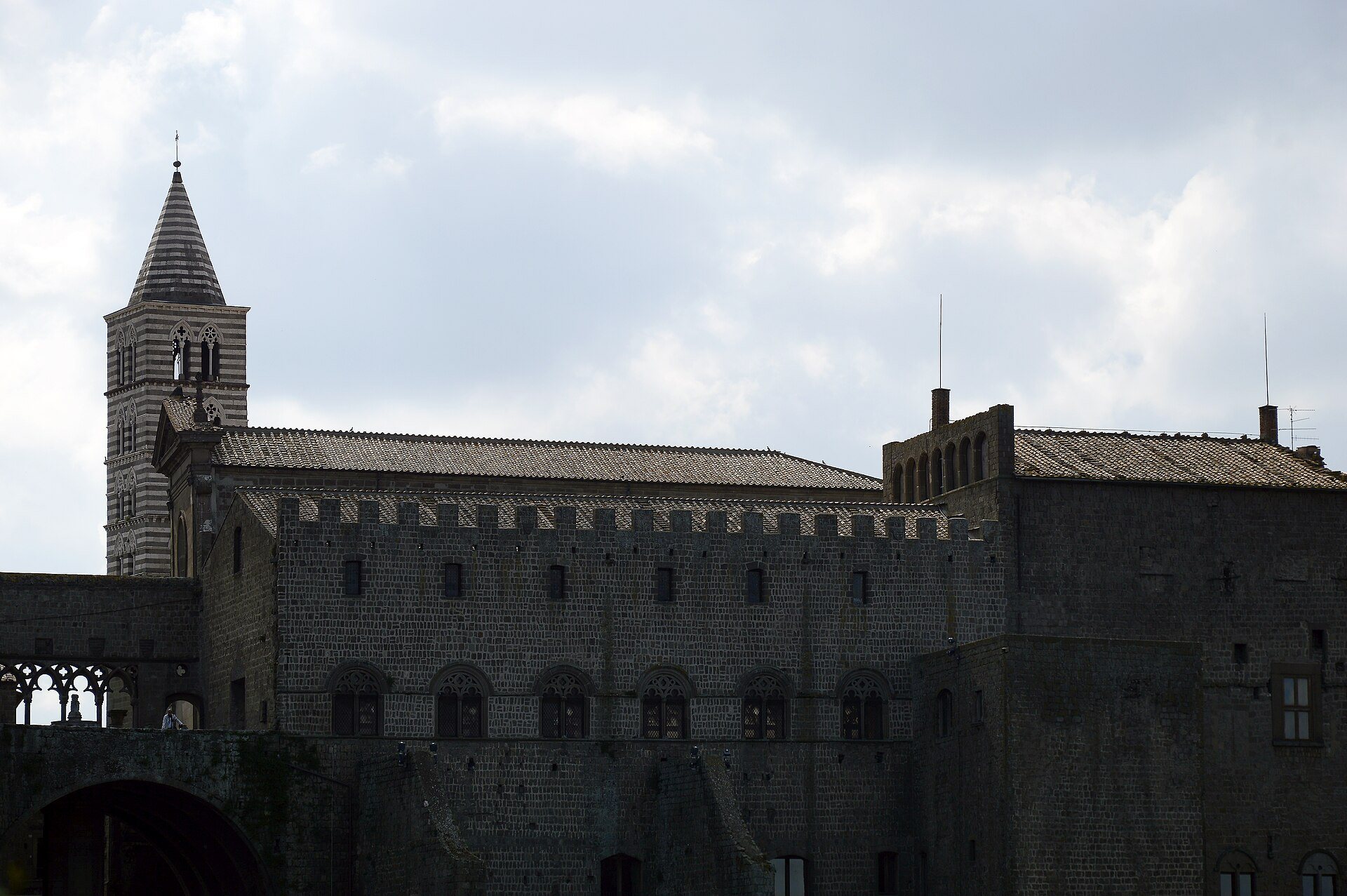
Viterbo suits international students who want a quiet, historic and affordable base about 80 km north of Rome. It is a walled medieval city of about 66,000 people in northern Lazio, known for the Palazzo dei Papi, where popes lived for about two decades in the 13th century, its San Pellegrino quarter and its thermal springs. Its one public university, the University of Tuscia, is small and personal, so it suits focused students more than city lovers.
Which universities are in Viterbo, and which are public?
Viterbo has one public university, the University of Tuscia (UNITUS), founded in 1979, with about 8,300 students. Much of its campus is in the former monastery of Santa Maria in Gradi, and it also teaches in Civitavecchia and Rieti. It is known for agriculture, forestry, food science, environmental science and cultural heritage, and it has no medical school. Tuition is set by family income, and an ISEE parificato of €26,000 or less puts you in the lowest band.
What can you study in English in Viterbo?
In Viterbo, the University of Tuscia teaches a set of two-year master's degrees fully in English, while its bachelor's degrees are taught in Italian and need B2 Italian. English-taught master's include Forestry and Environmental Sciences, Mechanical Engineering, Security and Human Rights, Sustainable Agriculture in the Mediterranean Environment, and Circular Economy at Civitavecchia. The list changes each year. Compare options in our English-taught programmes.
How much does it cost to live in Viterbo as a student?
Viterbo is one of the cheaper university towns in central Italy. Our research puts private rooms at about €180 to €300 a month and a realistic all-in budget at €6,000 to €7,500 a year for rent, food, transport and insurance. DiSCo Lazio canteens offer reduced-price meals. Fees are low too: tuition follows family income (ISEE), an ISEE parificato of €26,000 or less puts University of Tuscia students in the lowest band, and DiSCo winners are exempt from tuition.
- Private room: about €180 to €300 a month
- Tuition: set by family income (ISEE), so study can be tuition-free for eligible students. Without an ISEE parificato, a flat fee by country band applies
- DiSCo Lazio canteens: reduced-price meals for students
- All-in budget: about €6,000 to €7,500 a year, roughly €500 to €625 a month
How do you find student housing in Viterbo?
In Viterbo, DiSCo Lazio offers residence places to scholarship winners, and most other students rent a room in a shared flat, often inside or near the walled centre, where the university's main sites are within walking distance. Rooms cost about €180 to €300 a month by our research. Ask for a registered contract, check what the deposit covers and photograph the room on arrival. Start looking in summer, once your admission and DiSCo application are in.
Which scholarship covers students in Viterbo, and how much is it worth?
The main scholarship for students in Viterbo is DiSCo Lazio, the Lazio Region's right-to-study agency. Students whose family lives abroad count as off-site, the highest band, and Italy's national minimum grant for off-site students in 2026/27 is €7,171.11. Tuition is set by family income, and DiSCo winners at the University of Tuscia are exempt from tuition. Tuscia also runs its own international scholarship for master's students, worth €7,000 gross in 2025/26.
How do you get to Viterbo and get around once you are there?
Viterbo is about 80 km north of Rome. FL3 regional trains run from Viterbo Porta Fiorentina through Roma San Pietro and Ostiense to Roma Tiburtina, and a second line, run by Astral and Cotral, links Viterbo with Rome via Civita Castellana. Rome Fiumicino is the nearest international airport, reached through Rome; Viterbo's own airfield is for military use. Inside the walls, the historic centre and the university's main sites are compact enough to walk.
What is student life like in Viterbo?
Student life in Viterbo is calm and local: the medieval San Pellegrino quarter, known for its external stone staircases, the Palazzo dei Papi and the Bullicame thermal springs shape everyday walks. The big event is the Macchina di Santa Rosa on 3 September, when about a hundred porters carry a 30-metre illuminated tower through the streets, a tradition UNESCO recognised in 2013. Rome is close enough for weekends, while Viterbo itself stays quiet and inexpensive.
What should you sort out in your first weeks in Viterbo?
Your first weeks in Viterbo are mostly paperwork, and one step decides your fees. Non-EU students must request a permesso di soggiorno within 8 working days of arrival, using the post office kit. You also need a codice fiscale and health cover. Get your ISEE parificato through a CAF office and file it with the University of Tuscia by 31 December, or you pay the highest fee band. Then confirm your DiSCo Lazio results and housing.
- Request your permesso di soggiorno within 8 working days, using the post office kit
- Get your codice fiscale (Italian tax code) if you do not already have one
- Arrange health cover: SSN registration or private health insurance
- Get your ISEE parificato at a CAF office and file it by 31 December
- Confirm your DiSCo Lazio scholarship and residence place
Can you work part-time while studying in Viterbo?
Yes, non-EU students in Viterbo can work part-time on a study permit, up to 20 hours a week and 1,040 hours a year. Viterbo is a small city, so jobs are limited and mostly in hospitality, retail and tourism, where Italian is usually expected. Public universities also offer paid part-time student collaborations, often called 150-hour jobs, through internal calls. Some students look for work in Rome, but plan your budget without counting on a job.
How does Viterbo compare with other Italian student cities?
Viterbo is much smaller, quieter and cheaper than Rome, where single rooms averaged €615 a month in August 2026 (Immobiliare.it Insights), against about €180 to €300 in Viterbo by our research. The University of Tuscia is a strong pick for agriculture, forestry, food science, the environment and heritage, while Rome's big universities offer more subjects and medicine. Students choose Viterbo for low costs, personal teaching and easy weekends in Rome.
How can ApplyAZ help you study in Viterbo?
ApplyAZ can add the University of Tuscia to a shortlist of 20 to 30 English-taught programmes at public universities, if it fits your goals. We are independent and take no university commissions. We write your CV and tailored SOPs, submit applications and Universitaly pre-enrolment, file your DiSCo Lazio scholarship and ISEE steps, and prepare your visa file, with a named person on each stage. UNITUS decides admission. Next step: see how ApplyAZ works or check your eligibility.