
Contents
A Country Like No Other
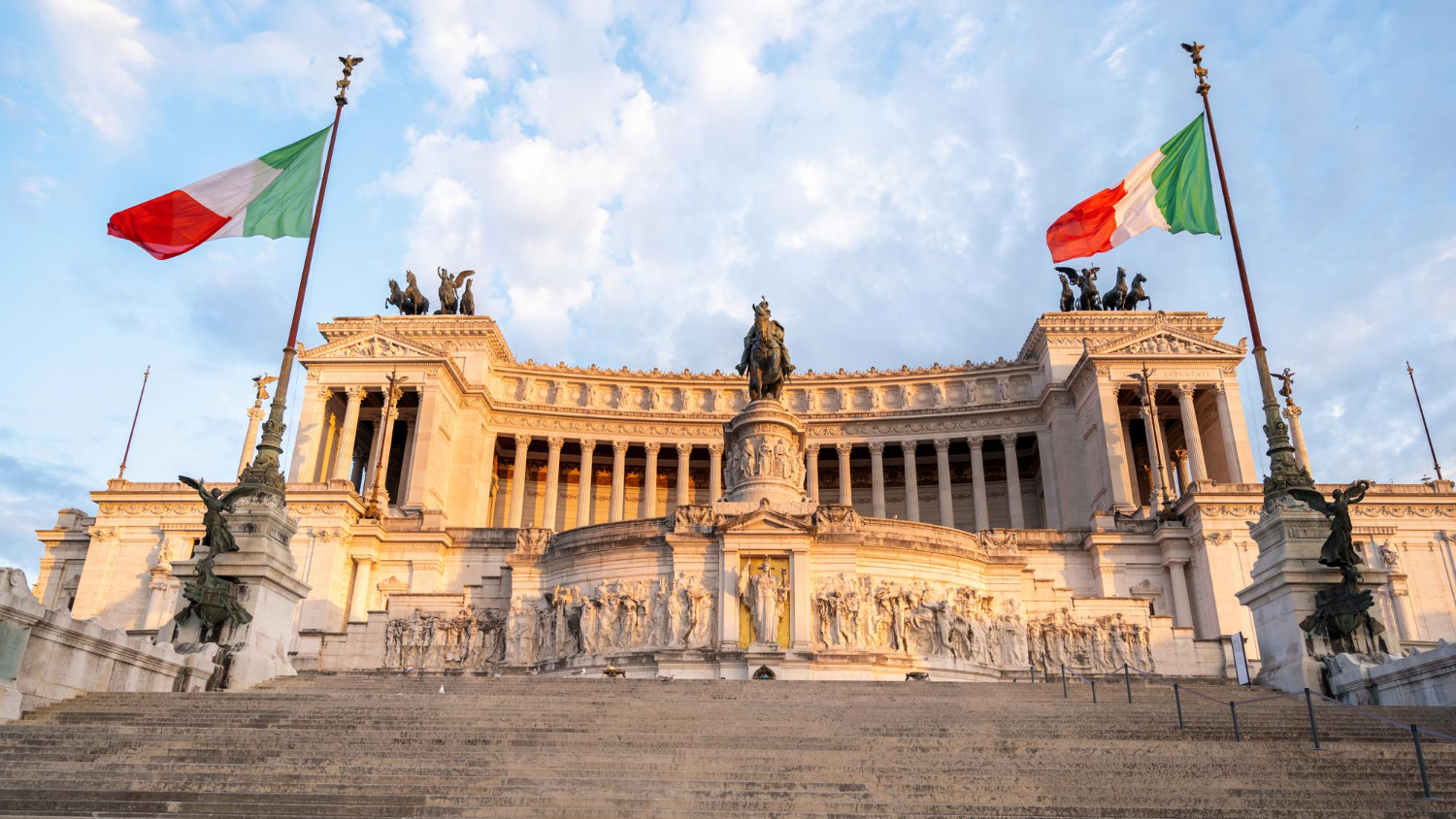
Italy is more than a destination. It is a civilisation. Home to more UNESCO World Heritage Sites than any other country on Earth, Italy has spent millennia shaping the way humanity thinks about beauty, food, art, governance, and the good life. Whether you are planning a visit or simply curious about this remarkable nation, understanding Italian culture means understanding some of the deepest roots of Western civilisation. Culture in Italy is a living, breathing tradition that shapes daily life as much as it inspires museums and galleries worldwide.
From the cobblestoned streets of Rome to the sun-drenched coastlines of Sicily, Italy is a country of extraordinary contrasts. Each region carries its own accent, cuisine, architecture, and identity, yet all are unmistakably Italian. That tension between unity and diversity is at the very heart of what makes Italy so endlessly fascinating.
History & Heritage: The Weight of Centuries
To understand Italian culture, you must first appreciate the sheer weight of its history. The Roman Empire, which stretched across Europe, North Africa, and the Middle East, gave the world its legal systems, its road networks, its architectural vocabulary, and even the Latin roots of most European languages. Walking through Rome today, you are walking through layers of history that span from the Republic of the 6th century BCE through the Renaissance, the Risorgimento, and into the modern republic.
The Renaissance: Italy’s Greatest Gift to the World
Between the 14th and 17th centuries, Italy became the epicentre of the Renaissance, a cultural and intellectual explosion that transformed Europe. Florence, Venice, and Rome became magnets for scholars, artists, and architects who collectively changed what was thought possible in human expression. The ideas of humanist thinkers like Petrarch and Dante Alighieri challenged medieval thinking and elevated literature to an art form.
Italian cities preserve this heritage with extraordinary care. Rome’s Colosseum, the canals of Venice, the cathedral of Florence, and the ruins of Pompeii are not simply tourist attractions. They are living archives of human ingenuity.
Art, Architecture & Fashion: The Italian Eye
Italians have a word, bella figura, that roughly translates as “making a beautiful impression.” It applies to dressing well, presenting food beautifully, designing elegant buildings, and generally cultivating an appreciation for beauty in everyday life. This aesthetic instinct runs deep in Italian culture and expresses itself across every creative field.
A Nation of Master Builders
From the Pantheon and the Colosseum in ancient Rome to Brunelleschi’s dome atop Florence’s Duomo and Renzo Piano’s contemporary museum designs, Italy’s architectural legacy is unmatched. Italian cities were the laboratories in which Renaissance architects reimagined proportion, perspective, and civic space, principles that still govern urban design worldwide.
Milan and the Global Fashion Stage
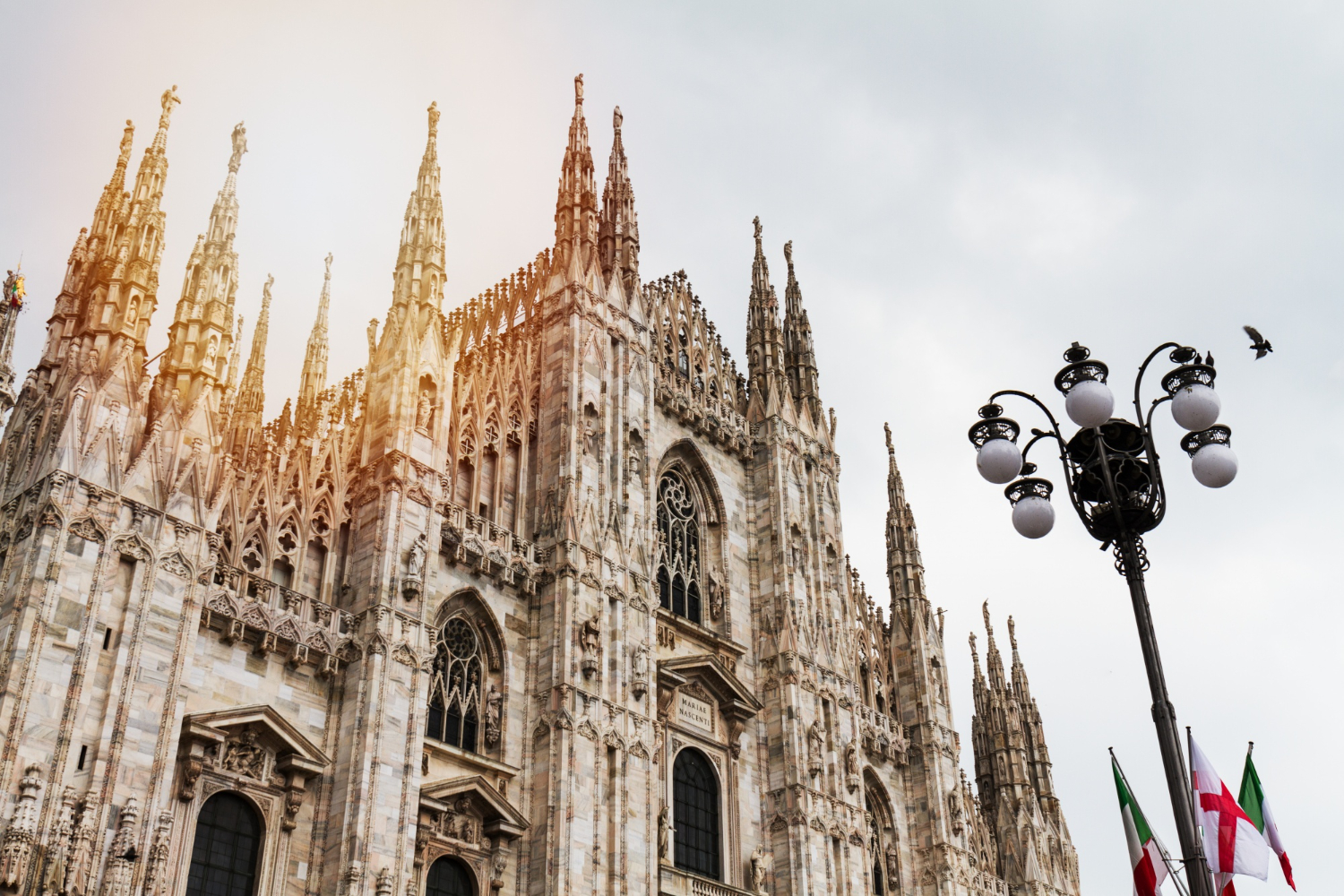
Today, Italy’s creative spirit finds expression in fashion and design. Milan is one of the four global capitals of fashion alongside Paris, New York, and London. Houses like Gucci, Prada, Versace, Armani, and Valentino did not merely sell clothing. They defined a global sensibility around quality, craft, and style. Italian fashion is built on centuries of artisanal tradition, from the leather workers of Florence to the silk weavers of Como.
Food & the Italian Table: A Sacred Ritual
Perhaps no aspect of Italian culture is better understood, or more passionately debated, than food. Italian cuisine is not simply a collection of recipes; it is a philosophy. Food is the primary language through which Italians express identity, hospitality, memory, and love.
The Italian approach to eating centres on quality ingredients used simply. A perfect tomato, dressed only with good olive oil and salt, is considered a complete dish. This insistence on freshness and seasonality has made Italian cooking both deeply regional and globally influential. From the ragù of Bologna to the pizza of Naples, each dish tells the story of its place of origin.
The Ritual of the Meal
A traditional Italian meal is a structured, unhurried affair: antipasto, primo (pasta or risotto), secondo (meat or fish), contorno (vegetables), and dolce (dessert). Sunday lunch with the extended family remains a cornerstone of Italian life, often stretching for two to three hours. The table is where Italian culture is most alive.
Family, Faith & Daily Life: The Italian Rhythm
Family is the bedrock of Italian society. The concept of la famiglia extends well beyond the nuclear unit to encompass grandparents, cousins, and close family friends. It is common for several generations to live near one another, share Sunday meals, and remain deeply involved in each other’s daily lives. italian families embody what makes italian culture and traditions so enduring.
Catholicism has profoundly shaped Italian culture. Religious festivals, feast days, and the calendar of saints remain woven into Italian public life. Towns across the country celebrate their patron saints with processions, fireworks, and communal feasts.
The pace of daily life in Italy is deliberately measured. The midday riposo (rest), the evening passeggiata (a stroll), and the ritual of the morning espresso at a neighbourhood bar are cultural practices that prioritise human connection and the enjoyment of life.
Language & Regional Identity: Many Italies in One
Modern Italian is descended from the Tuscan dialect, elevated to literary status by Dante, Petrarch, and Boccaccio in the 13th and 14th centuries. Today, it is spoken by over 85 million people worldwide. Yet within Italy itself, regional dialects remain very much alive: Venetian, Neapolitan, Sicilian, and Sardinian are distinct enough to be considered separate languages by some linguists.
Regional identity is fiercely held. A person from Turin is Torinese first, and Italian second. Each region offers its own architecture, local dishes, festivals, and folklore, creating a country of seemingly infinite depth.
Italian Culture and Traditions: Key Celebrations
Major Celebrations: How Italian Culture and Traditions Come Alive
Italian culture and traditions are inseparable from the Italian calendar. Throughout the year, significant celebrations mark not just religious occasions but deeply rooted cultural practices that have been refined and observed for centuries.
Carnevale (Carnival): The Most Exuberant Tradition
Carnevale represents italian culture and traditions at their most theatrical. Celebrated throughout Italy in the weeks before Lent, this ancient festival transforms cities into celebrations of color, costume, and revelry. Venice's Carnevale is world-famous, but every Italian region maintains its own unique traditions.
The festival dates back to medieval times when people wore masks to celebrate anonymously. This practice itself reflects Italian values: the temporary inversion of social norms that ultimately reinforces them.
Easter (Pasqua) and Holy Week
Easter represents one of the most important celebrations in culture in Italy, blending religious observance with cultural tradition. In smaller towns and southern Italy, Easter processions feature centuries-old traditions where participants carry statues through streets, recreating scenes from Christ's passion.
Italian families prepare special foods for Easter. Colomba (dove-shaped cake) and Easter eggs remain central to Easter celebrations. The preparation and sharing of these foods represents how culture in italy is transmitted through culinary tradition, passed from grandmothers to grandchildren.
La Befana (Epiphany) and Other Traditions
La Befana (January 5-6) celebrates the visit of the Three Wise Men with a tradition unique to italian culture and traditions. According to legend, an old woman named Befana travels through Italy delivering gifts to children.
Ferragosto (August 15) represents another distinctly Italian tradition, when the entire nation essentially pauses for summer celebration. This cultural synchronization reflects deep Italian values about work-life balance and family.
Working Part-Time in Italy as an International Student with ApplyAZ
International students in Italy can work up to 20 hours per week during their studies, helping cover daily expenses while gaining valuable work experience. Common part-time jobs include hospitality, retail, tutoring, and university assistant roles. At ApplyAZ, we guide students not only through admissions and scholarships but also provide practical advice on accommodation, student life, and finding part-time work to help them settle successfully in Italy.
Your Questions About Italian Culture, Answered
Q1: What are the most important cultural values in Italy?
At the core of Italian culture are family, beauty, food, community, and a deep respect for history. Italians place enormous value on personal relationships, artisanal quality, and the enjoyment of everyday life. The concept of bella figura, presenting oneself with elegance and care, permeates everything from fashion to cooking to conversation. Religious traditions, particularly Catholic feast days and local patron saint festivals, also remain meaningful cultural touchstones, even for those who are not regularly observant.
Q2: How does food reflect Italian culture?
Food in Italy is far more than sustenance. It is a cultural language. Each region has its own distinct culinary identity tied to local ingredients, climate, and history. Meals are structured, unhurried, and social, with Sunday lunch serving as the weekly anchor for family gathering. The Italian insistence on seasonal, local produce and traditional techniques reflects a broader cultural value: that the finest things in life come from patience, craft, and respect for origins. UNESCO recognised this by inscribing the Mediterranean diet as part of the world’s intangible cultural heritage.
Q3: Why is Italy so important to the history of art and architecture?
Italy was the birthplace of the Renaissance, the artistic and intellectual movement that reshaped European civilisation between the 14th and 17th centuries. Cities like Florence, Rome, and Venice produced masters such as Michelangelo, Leonardo da Vinci, Raphael, and Bernini. Before the Renaissance, Italy’s Roman legacy had already given the world the arch, the dome, concrete construction, and urban planning principles that still influence cities today. This continuous creative tradition explains why Italy holds more UNESCO World Heritage Sites than any other nation on Earth.
Q4: Is Italian culture very different from north to south?
Yes, significantly so, and Italians themselves are very aware of these differences. Northern Italy, anchored by Milan, Turin, and Venice, is associated with industrial wealth and a faster-paced urban lifestyle. Southern Italy (Naples, Sicily, Calabria) is characterised by a warmer, more traditional way of life, stronger family ties, and a cuisine built around Mediterranean ingredients. These differences reflect centuries of distinct political histories: the north was shaped by city-states and trade, the south by foreign rulers. Despite these contrasts, a shared love of beauty, food, language, and family unites all Italians.
See if a public university in Italy is realistic for you