

Master of Science in Polymer Technology
Master of Science in Polymer Technology at Aalen University often leads to roles in manufacturing, product development, quality, and R&D. ApplyAZ guides students through this program's specific admissions, funding, and visa process.
Master
3 semesters
Aalen
English
Aalen University



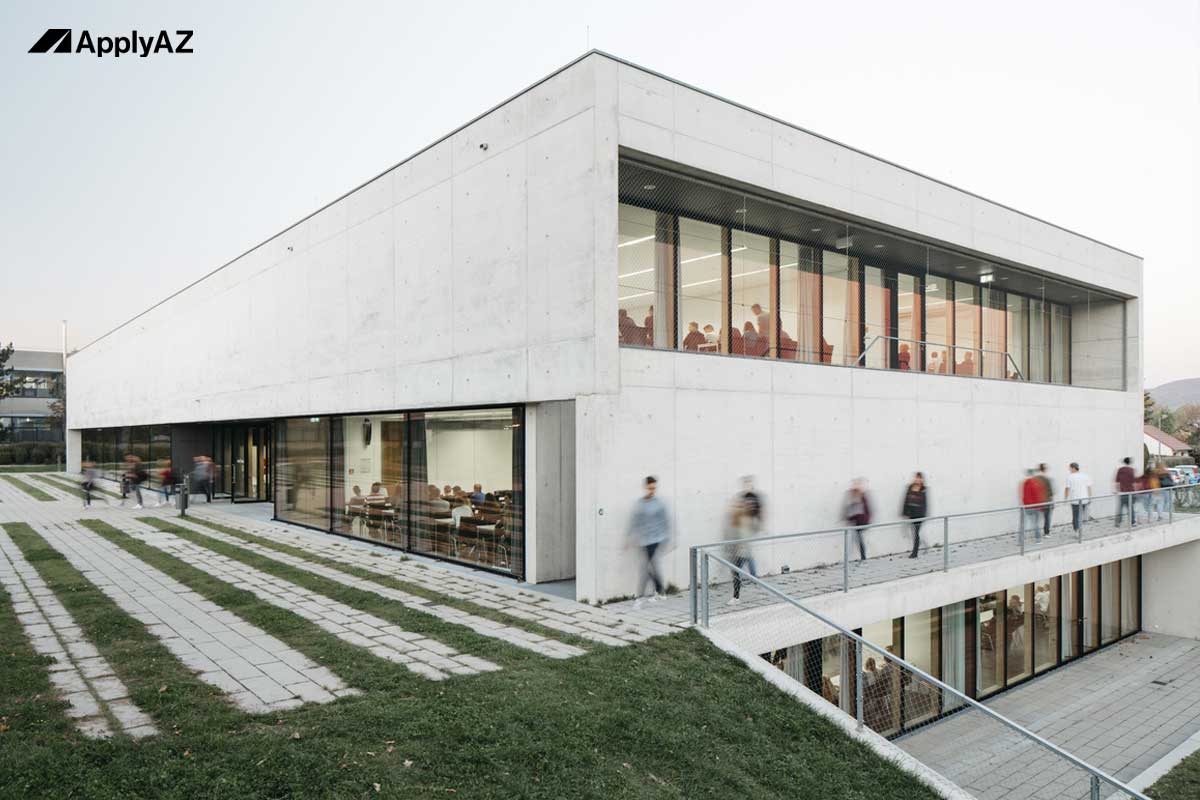
Germany is known for public German universities that keep fees low and standards high. If you want English-taught programs in Germany and plan to study in Germany in English, Aalen University deserves attention. It stands among cheap tuition universities Germany offers, with practical degrees and clear entry rules. Many international students in Germany choose places like this for value and stability.
English-taught programs in Germany at Aalen University for those who want to study in Germany in English at cheap tuition universities Germany and public German universities
Students searching for English-taught programs in Germany often focus on big cities first. Yet smaller regions can offer strong labs, close industry links, and lower living costs in Germany. Aalen University fits this profile. It is part of the public German universities network and keeps costs closer to cheap tuition universities Germany is known for.
Choosing to study in Germany in English here means smaller classes and direct contact with lecturers. That can make your German university application more focused and realistic.
Why Aalen University works well for international students
Location matters. Aalen University sits in Baden-Württemberg, a region with engineering firms and export companies. Many international students in Germany prefer such areas because internships are easier to find.
The campus feels practical rather than abstract. Workshops, applied research projects, and industry case studies are common. This approach supports students who come for English-taught programs in Germany but want strong job skills, not only theory.
A small caution: some students assume smaller cities mean fewer opportunities. In fact, links to local companies can be stronger than in larger cities.
English-taught study options at Aalen University
If your goal is to study in Germany in English, check the Master’s programmes first. Aalen University offers several English-taught programs in Germany in fields such as engineering, business, and technology. Bachelor’s options in English are more limited, which is normal among public German universities.
Before you apply, review:
- Language level required, usually IELTS or TOEFL
- Whether uni-assist handles the German university application
- Academic background match
- Intake semester, often winter
Many cheap tuition universities Germany provides expect a strong subject match. A business graduate applying for a highly technical engineering degree may face rejection. This is a common mistake.
Tuition and what you really pay (simple cost map)
Germany is famous for public German universities with low fees. Aalen University follows this model. Tuition is usually very low compared to other countries, though non-EU students in Baden-Württemberg may pay a state tuition fee per semester.
Think in layers:
- Semester contribution fee
- Possible state tuition (for non-EU)
- Health insurance
- Living costs in Germany
Living costs in Germany vary by city. In Aalen, rent is often lower than in Munich or Frankfurt. That is why many students seeking cheap tuition universities Germany also look at smaller towns.
Even with low fees, plan your budget carefully. The German student visa requires proof of funds. Do not underestimate monthly expenses.
Admissions step-by-step (clear and calm)
Applying to public German universities can feel technical. The process is structured. Keep it simple:
- Check programme requirements
- Prepare academic transcripts and translations
- Confirm language certificate
- Submit through uni-assist if required
- Track deadlines closely
A frequent issue in the German university application is missing documents. One missing page can delay everything. Double-check before submission.
If you are unsure about eligibility for English-taught programs in Germany or whether you truly qualify to study in Germany in English at {{Aalen University}}, run the ApplyAZ [Eligibility Check]. It gives clarity before you invest time and money.
Scholarships and funding (realistic and useful)
When people hear about cheap tuition universities Germany, they assume everything is free. That is not accurate. Public German universities reduce tuition, but living costs still matter.
Funding options include:
- DAAD scholarships in Germany
- Regional foundations
- Part-time student jobs
- Research assistant roles
Competition for scholarships in Germany is real. Strong grades and a focused motivation letter help. Avoid generic statements. Mention your academic direction and how it fits the programme at Aalen University.
Students who plan early manage finances better. Those who apply for funding at the last minute often struggle.
Jobs and career outcomes after graduation in Germany
Graduates from public German universities benefit from Germany’s strong industrial base. Baden-Württemberg is home to automotive suppliers, engineering firms, and technology companies.
After you study in Germany in English, you can apply for a post-study residence permit. Many international students in Germany move into graduate trainee roles or technical positions.
Work during studies is also possible within legal limits. Part-time roles can reduce living costs in Germany and improve your CV.
Do not assume a degree alone guarantees employment. German language skills improve your options, even if your degree was one of the English-taught programs in Germany.
How ApplyAZ helps you apply with less stress
Applying to cheap tuition universities Germany offers requires attention to detail. Document format, deadlines, and uni-assist rules can confuse first-time applicants.
ApplyAZ supports:
- Programme shortlisting
- Academic profile review
- German university application checks
- Scholarship planning
- German student visa guidance
The aim is simple. Help you study in Germany in English at places like Aalen University without unnecessary delays.
If you want tailored advice on English-taught programs in Germany and your chances at public German universities, book a conversation through ApplyAZ [Book a Free Consultation]. It is a practical first step before you move forward.
If you are considering the Master of Science in Polymer Technology at Aalen University in Germany, you are likely looking for a practical STEM degree in English that does not come with a heavy tuition bill. Many international students in Germany begin with the same searches: English-taught programs in Germany, study in Germany in English, cheap tuition universities Germany, and public German universities. The tricky part is turning that into a clear plan, with the right documents and a realistic budget.
This guide explains what the programme is about, what your year may look like, and how to plan scholarships and the German student visa step-by-step.
What Master of Science in Polymer Technology is really about (simple overview)
The Master of Science in Polymer Technology focuses on how polymers are made, processed, tested, and improved. It is not just “plastics”. It includes materials used in medical devices, cars, packaging, electronics, and coatings. You learn how structure affects properties, and how processing choices change performance.
Small human touch: a common confusion is thinking polymers are always cheap and simple. In reality, polymer systems can be complex. Another surprise is how much testing and quality control matter.
You may work on:
- Polymer chemistry and materials behaviour
- Processing methods and product design thinking
- Additives, blends, and composites
- Testing, failure analysis, and quality systems
Why Aalen University is a good place to study Master of Science in Polymer Technology
Aalen University can be a strong match if you want applied learning and clear technical outcomes. In Germany, many programmes focus on skills you can use in labs and industry, not only theory. That matters for international students in Germany who want a degree that connects to real manufacturing and materials roles.
Quick fit check:
- You like lab work and careful measurement
- You enjoy troubleshooting and improving processes
- You can write clear reports in English
- You want projects that feel close to industry problems
Quick warning: polymer work often involves details. Small changes in temperature, moisture, or mixing can change results.
Modules, projects, and thesis (what your year may look like)
Your year in the Master’s in Master of Science in Polymer Technology will likely blend taught modules with practical assignments. You may do lab work, analyse results, and write reports that explain what happened and why. Group projects are common, because real production and materials work is rarely solo.
A typical year may include:
- Core modules on polymer science and processing
- Practical assignments with testing and data analysis
- Project work tied to product performance
- A thesis with one focused technical question
Simple example: “Reduce brittleness in a specific polymer blend under defined processing conditions” is a strong thesis scope. “Study polymer blends” is too wide.
Entry requirements and eligibility (easy checklist)
Entry requirements Germany can look complicated, but most issues come from missing documents or unclear relevance. For the Master of Science in Polymer Technology, your background should connect to materials, chemical engineering, mechanical engineering, industrial chemistry, or related fields. Your application should make that link obvious.
Use this checklist to prepare:
- Bachelor’s transcript and graduation proof (or current proof)
- Official grading scale document from your university
- CV showing labs, projects, and technical tools
- Motivation letter focused on polymer interest and fit
- English language proof if required
- Passport and identity documents
Route check:
- Some applicants apply directly
- Others may need uni-assist
Common confusion: uni-assist is a document and eligibility screening route. It does not replace careful preparation. File naming, scan quality, and missing pages still matter.
Mid-article support link: ApplyAZ [Eligibility Check]
Tuition, fees, and living costs (real planning)
Germany can be a good option for cost control, but you still need a real budget. Cheap tuition universities Germany can reduce tuition pressure, yet living costs are the bigger part. Even at public German universities, you may pay semester fees, and you must plan rent, insurance, and deposits.
Budget planning buckets:
- Tuition and university fees (varies by region and institution)
- Semester contribution (often includes transport benefits)
- Rent and deposit (often the biggest upfront cost)
- Health insurance (often mandatory)
- Monthly living costs (food, phone, study materials)
Quick warning: housing can take time. Start early, and keep a folder of documents ready for landlords.
Scholarships and funding options
Scholarships in Germany exist, but they are limited and competitive. Some focus on grades. Others focus on need or a strong purpose. For polymer and materials fields, showing real lab work and project experience can help you stand out, even if your profile is not perfect.
Funding options to explore:
- University-linked scholarships (limited places)
- Foundations with STEM focus
- Country-based awards depending on nationality
- Student jobs as support, not your main budget plan
Scholarship prep checklist:
- A clear goal statement in simple English
- Evidence of lab or project work (even small projects help)
- A clean CV that shows progression
- Documents organised to the required standard
Small human touch: many students paste the same motivation letter everywhere. Reviewers notice. Tailor it to the funding goal.
Career paths and jobs after graduation
Jobs after graduation in Germany in this area often sit in manufacturing, product development, quality, and R&D. Outcomes depend on your skills, your thesis topic, and how well you can explain your work. German language can open more roles, but English-speaking teams exist too.
Possible paths include:
- Polymer or materials engineer roles
- Process engineering in plastics and composites
- Quality, testing, and validation roles
- Application engineering for materials suppliers
- R&D support roles in product development teams
To improve your chances during study:
- Build a small portfolio of reports and project summaries
- Learn to explain testing results and uncertainty
- Choose a thesis topic linked to real industry problems
- Practice presenting results in plain language
How ApplyAZ helps you apply step-by-step
Study in Germany in English looks simple on paper, but real applications can fail on small details: missing grading scales, weak relevance explanation, or uni-assist file issues. ApplyAZ supports programme shortlisting, document checks, admissions steps, scholarship support, and German student visa guidance so your plan stays organised and calm.
Step-by-step flow:
- Shortlist the right English-taught programs in Germany for your background
- Confirm entry requirements Germany and build a clear document list
- Review transcripts and fix gaps early
- Prepare CV and motivation letter with a polymer focus
- Submit through the correct route (direct or uni-assist)
- Track deadlines and respond quickly to requests
- Plan visa and finance documents with a realistic timeline
Final checklist before submission:
- Names match across passport and all certificates
- Scans are clear and complete (no missing pages)
- Translations meet the required standard
- Your timeline includes visa and housing steps
Near-end support link: ApplyAZ [Book a Free Consultation]
Run an eligibility check or book a free consultation.
Tuition and scholarships
Public universities in Germany charge no tuition fees for international students. A semester contribution typically applies, covering administrative costs and often a public transport pass.
DAAD (German Academic Exchange Service) offers scholarships for international master's students, covering living costs and a travel allowance. Apply through the DAAD portal separately from your university application.
The Deutschlandstipendium provides €300 per month, co-funded by the federal government and private sponsors. Applications go through the university's scholarship office after enrolment.
For Indian applicants
Indian graduates with a degree recognised by AIU (Association of Indian Universities) can apply to German public universities through uni-assist. The uni-assist portal handles degree equivalency verification and is the standard route for most non-EU applicants.
How ApplyAZ supports you
Not sure if your qualifications meet the entry requirements? Check your eligibility before you start your application — it takes a few minutes and confirms whether your background is a fit.
Similar programmes
More free programmes in this city

They Began right where you are

