

Master of Science in Nuclear Applications
Master of Science in Nuclear Applications at FH Aachen University of Applied Sciences suits students who want technical depth in nuclear science and its applied uses. ApplyAZ handles the admissions requirements, funding options, and visa steps for this specific program.
Master
4 semesters
Aachen
English
FH Aachen University of Applied Sciences



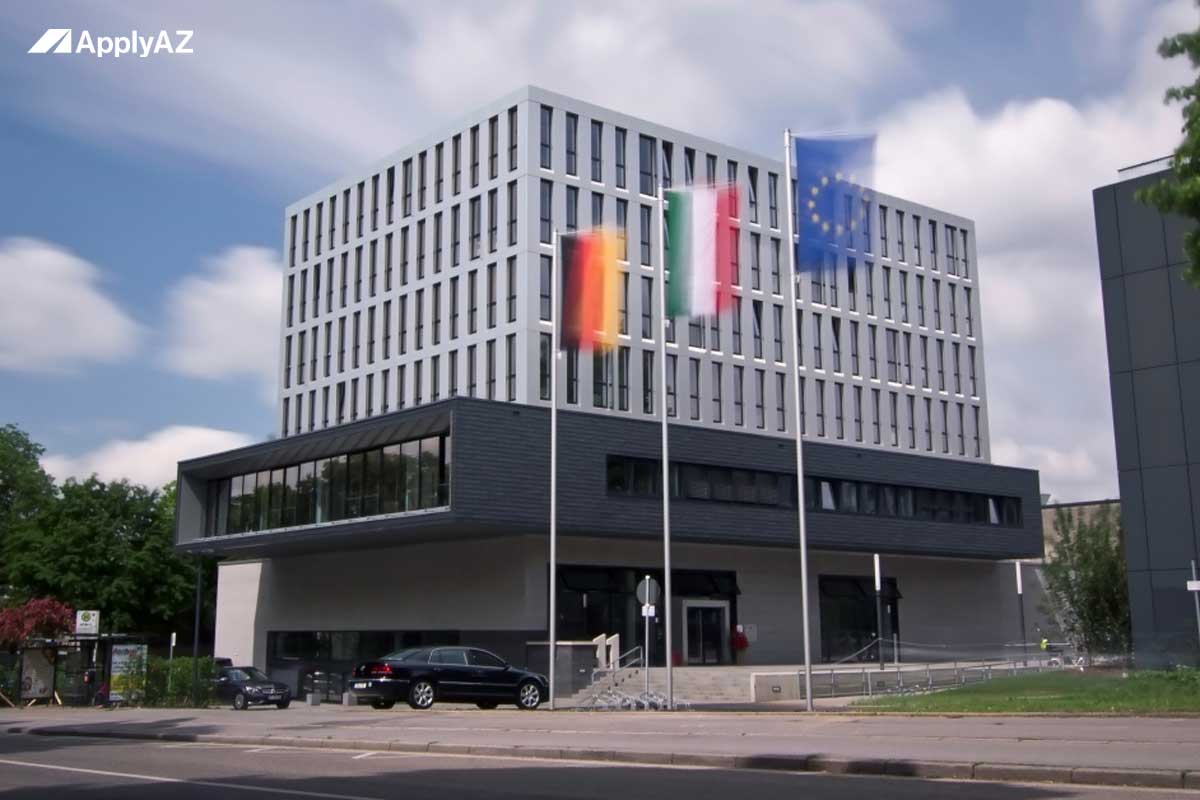
Studying at FH Aachen University of Applied Sciences
First look at FH Aachen University of Applied Sciences
FH Aachen University of Applied Sciences is a practical university in western Germany, with strong roots in engineering, technology, business, and design. Many students choose it because the learning is close to real work, not just theory. You will see labs, projects, applied research, and lecturers who often bring industry context into class.
ApplyAZ helps from day one by translating “how the university works” into a clear plan. We start by matching your background to the right campus, department, and intake. This matters at FH Aachen because the fit is often specific: a programme can look perfect on paper but still reject applicants who miss a module match or a language condition.
A common misunderstanding is thinking the university name alone guarantees the same experience across all programmes. At FH Aachen, the department structure matters a lot. Your daily life can look very different depending on whether you are in a project-heavy technical programme, a more structured business track, or a programme built around labs and scheduled practical blocks.
What studying feels like there (teaching, exams, pace)
Teaching at a university of applied sciences is usually structured and steady. You can expect weekly contact time, guided exercises, lab sessions in many technical fields, and clear deliverables. The pace can feel fast because practical tasks do not wait until the end of term. Many modules build on each other, so missing a few weeks can create real pressure later.
Exams are often a mix of written tests, lab reports, presentations, and project submissions. A typical student finds that time management is the real skill you must learn early. It is not only “studying for finals”. It is planning around deadlines, group work, and project milestones.
ApplyAZ supports you by helping you predict workload before you commit. We look at the structure of the programme, typical assessment styles, and what your week may feel like, so you choose something you can actually sustain, not just something that sounds impressive.
English-taught options and how to check the right track
FH Aachen University of Applied Sciences has some English-taught options, but students often confuse “some modules in English” with “an English-taught programme”. The difference matters for admission, your visa file, and how comfortable you will feel from the first month. Your job is to confirm the teaching language, not guess based on the title.
When you check a programme, focus on the track details, not the marketing summary. Look for the language of instruction, the required language proof, and whether key modules, exams, and thesis supervision are available in English across the full programme.
Use a simple checklist before you decide:
- Confirm the teaching language for the full programme, not just a semester
- Check the required English test and the minimum score accepted
- Verify if any mandatory internship, project, or thesis parts require German
- Identify the exact campus and department running the programme
ApplyAZ helps you do this quickly and safely. We verify the track details, highlight hidden language dependencies, and help you avoid choosing a programme that later forces a German requirement you did not plan for.
Admissions reality: what matters most (and what doesn’t)
Admissions at FH Aachen University of Applied Sciences can be very logical once you know what the university is screening for. In many programmes, the main question is: do you truly match the academic prerequisites. That means your prior degree level, your subject fit, and sometimes specific module coverage. Motivation matters, but it rarely replaces missing academic basics.
What usually matters most is alignment. If you studied a related field, you can often present a clean story. If your background is different, you must show a bridge: relevant modules, projects, or work exposure that makes the transition believable. A common scenario is an applicant who has strong grades but a mismatch in core subjects, and that is where rejections happen.
What matters less than students think is trying to “sound perfect” in the motivation letter. Universities can spot generic statements. A clear, grounded explanation of fit is stronger than big claims. ApplyAZ supports by building your application around evidence: transcript mapping, programme fit, and a motivation letter that follows the programme logic.
Documents students underestimate (prepare early)
Students often lose weeks because they treat documents as a last-minute task. German universities can be strict about format, completeness, and consistency across files. If one document has a name mismatch, an unclear grading scale, or missing pages, it can slow everything down. It is not dramatic, it is just how systems work.
The most underestimated part is that “official” is not the same as “acceptable”. A document can be official and still fail because it is incomplete, unclear, or not translated the right way. Another common issue is waiting too long for sealed transcripts or university attestations, then missing the application window.
Prepare these early, even before you choose your final programmes:
- Passport, education documents, and official transcripts with all pages
- Clear grading explanation or university grading scale document
- Language certificates that match the programme’s stated requirement
- CV and motivation letter tailored to the exact department, not generic
- Any translations, declarations, or format-specific scans required
ApplyAZ runs a full document readiness process, flags risks early, and helps you fix weak points before you submit. That is often the difference between “submitted” and “submitted correctly”.
Tuition and real costs in daily life
In Germany, many public universities do not charge standard tuition fees, but you should plan for a semester contribution. This fee often covers student services and a public transport ticket, and it can change by term. Students sometimes hear “no tuition” and assume Germany is cheap, then get surprised by the real monthly budget.
Your daily costs will depend on housing and lifestyle, not your lecture timetable. Rent is usually the biggest item, followed by health insurance, food, local transport beyond what your ticket covers, and basic setup costs when you arrive. The first month is often the most expensive because you pay deposits, buy essentials, and handle registration tasks.
ApplyAZ helps you plan the cost reality in a practical way. We build a simple budget that matches your city, housing plan, and visa needs, so you do not arrive under-funded. A calm budget makes every other step easier, including your visa preparation and your housing search.
Scholarships and funding: how to think, not guess
Funding is not a single application. It is a strategy. Many students guess based on what they saw on social media, then they waste time on options they do not qualify for. A better approach is to separate three things: what is guaranteed by law or standard policy, what is competitive funding, and what is personal funding you control.
For Germany, scholarships can exist, but many are competitive and require strong fit, timing, and documentation. Your best move is to plan early, understand what each fund expects, and align your application story to the funding logic. If a scholarship prioritises academic excellence, your documents must show it clearly. If it prioritises purpose, your motivation must be specific and consistent.
This is also where flexibility helps. Some students build a plan that includes a scholarship attempt plus a reliable backup route. Finance it with loan options via ApplyAZ. ApplyAZ supports by mapping your funding options to your profile, deadlines, and visa needs, then keeping the plan realistic from the start.
Housing and arrival planning (what to decide before you land)
Housing can shape your first semester more than your modules do. If you arrive without a plan, you lose energy on stress and logistics instead of settling into study. In Aachen and the surrounding area, students often choose between student residences, shared flats, and temporary stays while they search. Each option has trade-offs in cost, convenience, and speed.
Before you land, decide what “good enough” looks like for your first three months. Many students aim for the perfect room and end up with nothing. A better approach is to secure a safe starter option, then upgrade later once you understand the city, commute, and your schedule. Also plan your arrival tasks in order: city registration, health insurance, bank steps, and residence permit preparation.
ApplyAZ supports with an arrival checklist that is realistic and ordered. We help you avoid common traps like signing a rushed contract, underestimating deposits, or arriving too late to complete registration steps calmly.
After graduation: work options and direction
Germany can offer strong career outcomes, but your results depend on choices you make early. The strongest path is usually built through internships, student jobs, practical projects, and a clear target role. At a university of applied sciences, the practical orientation can help if you use it well. Your goal is to turn coursework into proof of skills, not just credits.
A typical student who does well starts building their profile in the first year: a focused CV, small projects that show applied ability, and consistent progress in language and professional communication. Even for English-taught study, German skills can expand your job options and reduce friction in daily life and work culture.
ApplyAZ supports by aligning your study plan with a career plan. We help you choose programmes that match your intended direction, prepare documents that reflect your target roles, and keep your application story coherent so your graduation path is not an afterthought.
How ApplyAZ supports you step-by-step
ApplyAZ supports you end-to-end, but the key is doing the right work in the right order. First, we shortlist programmes that genuinely match your background and goals. Then we make your documents “application-ready”, not just “available”. That includes fixing weak presentation, clarifying academic fit, and building a motivation letter that reflects the programme’s logic.
Next, we manage the application workflow: deadlines, portals, and submission quality. Students often underestimate how easy it is to make small mistakes that cause delays or rejection. We reduce that risk by standardising checks, keeping versions clean, and ensuring every programme gets its own tailored file set.
Finally, we support scholarship strategy and visa guidance, so your plan is complete, not fragmented. You move forward with clarity, not guesswork, and you know what to do each week. That is the difference between feeling overwhelmed and feeling in control.
How ApplyAZ Gets You In
Most students find one program they like and hope for the best. That is not how we work.
It starts with a quick eligibility check, about 2 minutes, so you instantly know if this opportunity is a real option for your profile. If you are eligible, you book a private one-to-one consultation with one of our experts, where you get a clear and personalised plan built around your exact situation: your best-fit programs, your real deadlines, your scholarship path, and your exact next steps.
If you decide to move forward with us after that call, you enroll, upload your documents, and we take it from there. Our admissions team goes through your transcripts course by course, maps your background against real university requirements, and builds you a shortlist of 20 or more programs that you genuinely qualify for, across prestigious public universities, career-forward degrees taught in English, with strong graduate placement records. You review them, approve the ones you like, and then you lay back.
We write your CV and motivation letter for each program, submit every application, and track every deadline. Alongside admissions, we actively work on securing scholarships that fit your program, university, and country, whether that is DSU, DAAD, or other funding available to your profile, so you have the strongest possible shot at studying public (€0 for eligible students) with your living costs covered. Then we stay with you through visa preparation, arrival, and every practical step that follows.
Depending on your profile, you may qualify for far more programs, universities, and funding opportunities than you would ever find on your own. The only way to know is to start.
Check your eligibility now. It takes about 2 minutes. Because everything begins there.
Master of Science in Nuclear Applications at Brandenburg University of Technology Cottbus-Senftenberg
A quick sense-check: who Master of Science in Nuclear Applications suits
Master of Science in Nuclear Applications at Brandenburg University of Technology Cottbus-Senftenberg suits students who like physics-based problem solving and want applied skills in nuclear methods. It can fit people interested in radiation measurement, nuclear technology in industry and research, and practical applications in fields like energy systems, materials, imaging, safety, or environmental monitoring, depending on the programme focus.
A typical good-fit background includes physics, nuclear engineering, electrical engineering, mechanical engineering, materials science, or a closely related discipline with strong maths and lab work. If your background is adjacent, you may still fit, but you must show relevant modules and practical exposure. ApplyAZ helps early by matching your transcript to the programme’s technical foundations so you do not rely on assumptions.
What you will gain by the end (real outcomes)
By graduation, you should be able to work with nuclear and radiation-related concepts in a disciplined, safety-aware way. Students typically develop skills in measurement, analysis, and working with technical standards. You also gain practice in documenting work clearly, which matters in regulated technical environments.
Your outcomes depend on the choices you make inside the programme. A student who chooses a focused thesis and joins a lab or applied project often graduates with stronger evidence for employers. Another student may complete the modules but struggle to explain their specialism. ApplyAZ supports you in planning a coherent route: project selection, thesis direction, and skill-building that lines up with your target roles.
The learning style you should expect
Expect technical teaching with a strong emphasis on fundamentals, problem sets, lab work, and precise reporting. Many modules build from maths and physics into applied methods. The pace can feel demanding because you must keep up weekly, not only at exam time. Labs and safety-related procedures require attention to detail, and deadlines can be strict.
Assessment can include written exams, lab reports, oral exams, and project presentations. A common challenge is underestimating how long lab documentation takes. Another is joining group work without agreeing on responsibilities early. ApplyAZ helps you understand this workload pattern before you start, so your timetable, part-time work expectations, and personal planning remain realistic.
Modules, projects, and thesis (how the year often flows)
Students often begin with core technical modules that align everyone on the same baseline. Then the programme usually moves toward more specialised topics and applied work. Projects can be central, especially where equipment use, measurement, simulation, or applied analysis is involved. Your learning accelerates when you connect theory to hands-on practice.
The thesis is usually where your profile becomes clear. A good thesis is narrow enough to show depth and practical enough to show applied skill. A typical student does best when the thesis connects to a lab, a research group, or a clear industrial problem. ApplyAZ supports by helping you choose a thesis direction that is credible, feasible within the timeline, and strong for jobs or PhD options.
Entry requirements (clear checklist)
Technical programmes often screen more strictly for subject fit. You should treat requirements as non-negotiable unless the programme explicitly allows bridging. The university will usually look for a relevant degree, solid maths and physics content, and language proof. They can also care about lab exposure and specific prerequisite modules.
Use this checklist to self-screen:
- Bachelor’s degree in a closely related technical or scientific field
- Strong foundation in mathematics and physics, shown in your transcript
- Evidence of relevant laboratory or applied coursework where expected
- English language proof that matches accepted tests and minimum scores
- Complete academic documents with clear grading information
ApplyAZ checks these items course by course and flags whether you are a clear fit, a borderline fit, or a misfit, before you invest time and money.
How to read your transcript against the requirements
Start by identifying your core modules: maths, physics, and any nuclear or radiation-related topics, plus measurement, electronics, or materials modules that support applications. Then check whether your transcript shows both theory and application. Universities often want to see that you can handle abstract concepts and also work in lab or applied settings.
A common weak point is having strong general engineering modules but not enough physics depth, or having physics theory without applied measurement exposure. If you are switching fields, you need bridging evidence, not only interest. ApplyAZ maps your modules into requirement themes and helps you present your background clearly, so the admissions team can understand your fit without guessing.
Documents to prepare early (avoid delays)
For technical programmes, the smallest document issue can create big delays because the university needs clarity before confirming eligibility. Students often underestimate how important module titles, course descriptions, and grading explanations can be, especially when the programme screens for prerequisites.
Prepare early and keep everything consistent:
- Full transcript with all pages, plus grading scale documentation
- Degree certificate or official proof of completion status
- Course descriptions for key modules if the programme screens prerequisites
- CV focused on technical skills, labs, projects, and tools used
- Motivation letter that explains fit through modules and applied exposure
ApplyAZ helps you package documents to reduce questions and avoid stop-and-start communication that can push you past deadlines.
Tuition, fees, and living costs (real planning)
In Germany, many public universities charge a semester contribution rather than standard tuition fees, but you should budget for it. Your monthly budget will mainly be shaped by rent, health insurance, food, and transport. Technical students sometimes overlook costs linked to study routines, like printing, equipment-related materials, or travel for labs, depending on the programme setup.
The first month is usually the most expensive due to deposits and setup. A typical mistake is planning only the “average month” and ignoring the arrival spike. ApplyAZ supports by building a simple, conservative budget aligned to your city and visa needs, so you arrive prepared and can focus on settling into study instead of firefighting expenses.
Scholarships and funding (smart approach)
Funding works best when you plan it like a project. First, separate competitive scholarships from standard support routes, then align your application story to what funders value. For technical fields, funders often look for strong academic foundation, clear direction, and a believable plan for how the programme leads to impact.
Many students make the mistake of applying widely without improving the quality of their documents. A better approach is fewer applications with stronger alignment, supported by a consistent narrative across CV, motivation letter, and academic proof. Finance it with loan options via ApplyAZ. ApplyAZ supports by mapping realistic funding routes to your profile, timeline, and programme choice, then keeping your plan stable as deadlines approach.
Career direction after Master of Science in Nuclear Applications
Career outcomes can point toward research labs, energy and technology sectors, radiation measurement roles, safety and compliance environments, and specialised engineering or scientific positions that use nuclear methods. Your strongest job direction usually depends on your thesis and project choices, not only the programme name.
A typical strong graduate has a clear specialism they can explain in two sentences, plus evidence through one solid project and a focused thesis. If you aim for a PhD, research alignment and supervisor fit matter early. If you aim for industry, practical tools, documentation skills, and safety-aware working style become key signals. ApplyAZ helps you choose a direction early and shape your study outputs into a coherent job story.
How ApplyAZ supports you step-by-step
ApplyAZ starts by confirming fit properly. We map your academic background against the technical prerequisites and identify any gaps that could block admission. Then we organise your documents so your eligibility is obvious to the reviewer, not hidden inside unclear transcripts or inconsistent files.
Next, we plan applications around deadlines and risk, so you do not miss windows or submit rushed files. We also support scholarship strategy and visa guidance as one connected plan, because funding and visa documentation must align with your programme choice. You move forward with fewer unknowns, clearer weekly actions, and less back-and-forth with universities, which is where most students lose time.
We Handle Everything. You Just Need to Qualify.
You upload your transcripts. We go through them carefully, match you to 20 or more English-taught programs at prestigious public universities with strong placement records, write your applications, and actively pursue every scholarship available for your profile, whether that is DSU, DAAD, or others depending on the university and country.
You review your shortlist, approve what fits, and we take care of the rest.
The only thing left for you to do right now is find out if you qualify.
Check your eligibility. It takes about 2 minutes.
Tuition and scholarships
Public universities in Germany charge no tuition fees for international students. A semester contribution typically applies, covering administrative costs and often a public transport pass.
DAAD (German Academic Exchange Service) offers scholarships for international master's students, covering living costs and a travel allowance. Apply through the DAAD portal separately from your university application.
The Deutschlandstipendium provides €300 per month, co-funded by the federal government and private sponsors. Applications go through the university's scholarship office after enrolment.
For Indian applicants
Indian graduates with a degree recognised by AIU (Association of Indian Universities) can apply to German public universities through uni-assist. The uni-assist portal handles degree equivalency verification and is the standard route for most non-EU applicants. Check your eligibility with us first.
Similar programmes
More free programmes in this city

They Began right where you are

