

Master of Arts in Interior Design
This programme teaches you to analyse a space, define user needs, and translate that into design decisions, mixing taught content with studio projects that build your portfolio. ApplyAZ manages the admissions paperwork, scholarship search, and visa process for students applying here.
Master
4 semesters
Berlin
English
Berlin International University of Applied Sciences


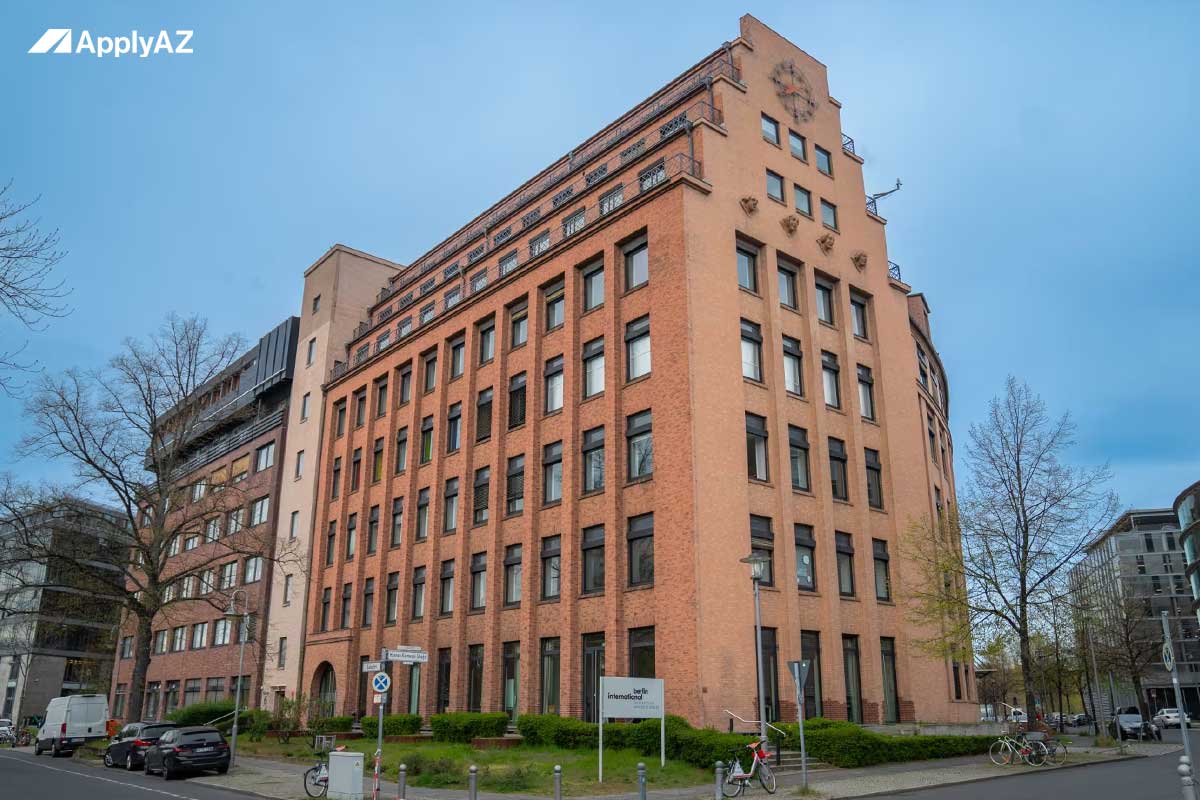
Snapshot of Berlin International University of Applied Sciences for international students
Berlin International University of Applied Sciences is a private, state-recognised university in Berlin with a very international student community. Many degrees are taught in English and the campus is known for design, architecture, and business-focused study paths. ApplyAZ helps you judge fit early, set a realistic timeline, and prepare a clean application that avoids common document issues.
What you can study in English at Berlin International University of Applied Sciences
If you are exploring English-taught programs in Germany, this university is often considered by students who want a practical, international classroom and a Berlin-based experience. You can find English-taught options across creative fields and business-related areas. ApplyAZ helps you shortlist the right programme based on your background, your portfolio (if needed), and your target career direction.
Common study areas include:
- Architecture and built-environment subjects
- Interior design or interior architecture pathways
- Graphic design and visual communication
- Business and management tracks
- Some programmes that combine business with tech or digital skills
Tuition and real costs (what students usually miss)
Because this is not one of the public German universities, you should plan for tuition fees as a core part of your budget. Students also underestimate the “real” costs around moving, setup, and the first months in Berlin. A solid plan includes tuition, living costs in Germany, insurance, and up-front cash needed before your routine monthly budget becomes stable.
Costs students often miss:
- One-time registration or enrolment charges
- Payment timing per semester (cash-flow matters)
- Deposit and first housing payments
- Health insurance and residence-related fees
- Portfolio expenses for design programmes (printing, materials, software)
Admissions step-by-step (clear checklist)
Admissions can feel simple on paper, but small mistakes slow everything down, especially with translations, formatting, and missing proofs. The safest approach is to prepare a complete file early, then submit with a clear timeline that leaves room for offer processing and visa steps. ApplyAZ guides the order of actions and checks your documents before you submit.
Admissions checklist:
- Passport (valid and clear scan)
- Transcripts and graduation proof (as required)
- CV (clean, one to two pages)
- Proof of English level (often B2 or higher)
- Motivation letter or statement (if requested)
- Portfolio (if your programme needs it)
Scholarships and funding (how to think about it)
For a private university plan, funding usually comes from a mix of family support, savings, and careful budgeting. Some students also look at scholarships in Germany, but you should treat them as competitive and deadline-driven. ApplyAZ helps you create a funding plan that matches your timeline and keeps your visa preparation clean and consistent, without last-minute gaps.
A smart funding plan looks like this:
- Build a 12-month budget, not just tuition
- Keep a buffer for housing setup and emergencies
- Prepare financial proofs early for visa steps
- Track deadlines in one place to avoid rushed documents
After graduation: work options and career direction
Berlin can be a strong place for internships and entry-level roles, especially if your degree helps you build a portfolio and real projects. Your results after graduation depend on what you do while studying: projects, internships, networking, and practical experience. ApplyAZ helps you plan your timeline so you are not starting career preparation at the last minute.
To stay competitive:
- Build a portfolio or project record from the first semester
- Apply for internships early and consistently
- Improve basic German for daily life and wider job access
- Keep documents organised for post-study steps
How ApplyAZ supports your application (what happens when)
ApplyAZ supports you end-to-end: shortlisting, document checks, application planning, and visa guidance for the German student visa route. You get a clear sequence of steps, realistic timelines, and a checklist that makes the process easier to manage. If Berlin International University of Applied Sciences matches your profile, we help you move from “interested” to “submitted” with less stress and fewer errors.
Quick fit check: who Master of Arts in Interior Design is for
Master of Arts in Interior Design is for students who want to design interiors with a clear concept and strong user logic, not just pretty images. It suits people who enjoy studio critique, iteration, and building a portfolio that shows thinking and process. ApplyAZ helps you confirm fit early, spot portfolio gaps, and plan your application path without confusion.
Good fit if you:
- Have design or architecture basics already
- Enjoy turning research into spatial ideas
- Can handle studio deadlines and feedback
- Want a career path with visible work output
What you will learn (simple, real outcomes)
You will learn how to analyse a space, define user needs, and translate that into design decisions. You will improve how you present ideas and how you justify them. This matters because hiring is often portfolio-led in this field. If you want study in Germany in English, interior design can be a strong route because your skills show clearly through projects.
You will likely strengthen:
- Space planning and layout logic
- Concept development and storytelling
- Materials, finishes, and detailing awareness
- Lighting and atmosphere design
- Portfolio structure and presentation quality
Why Berlin International University of Applied Sciences for Master of Arts in Interior Design (what to look for)
Berlin International University of Applied Sciences can suit students who want an international classroom and a Berlin context for design culture. The best way to choose is to focus on the studio approach and outcomes, not marketing words. ApplyAZ helps you evaluate the programme through practical signals, then decide if it matches your style and goals.
Check these before you apply:
- Studio format and how feedback works
- How much the programme pushes buildable solutions
- The quality and consistency of student portfolios
- How projects connect to real-world briefs
- Career direction support and internship readiness
Modules, projects, and thesis (what your year may look like)
A typical year mixes taught content with studio projects that build your portfolio. You may work on different interior types and learn how to move from concept to developed proposal. The thesis or final project is usually where your personal design direction becomes clear. ApplyAZ helps you time your portfolio upgrades and submission so you do not rush.
Your year may include:
- Studio briefs with weekly critiques
- Research and design methods modules
- Presentation and visual communication workshops
- A thesis proposal phase
- A final thesis or capstone project
Entry requirements and eligibility (easy checklist)
Entry requirements usually look at your academic background and your portfolio quality. Some applicants apply through uni-assist, which can add time for verification. The safest plan is to check eligibility early and build a clean file. ApplyAZ reviews your profile against entry requirements Germany and tells you what is strong, what is missing, and what to fix.
Eligibility checklist:
- Relevant bachelor’s background (or close enough)
- Portfolio showing process, not only final renders
- Proof of English (often B2 or higher)
- Clear motivation aligned to interior design
- Evidence you can handle master’s-level studio work
Documents you should prepare early (avoid delays)
Delays happen when documents are incomplete, unclear, or inconsistent. Start early, finalise versions, and keep everything organised. Your portfolio matters a lot, so structure it to show your thinking, constraints, and decisions. ApplyAZ checks your documents and portfolio for missing items, weak presentation, and avoidable mistakes before you submit.
Prepare these early:
- Passport and photo
- Degree certificate or graduation proof
- Full transcripts and any grading info available
- CV (simple and clean)
- English proof or accepted alternative
- Portfolio PDF with captions and context
- Motivation letter tailored to the programme
Tuition, fees, and living costs (real planning)
This cost structure is not like public German universities, so plan tuition as a major part of your budget. Berlin can also be tough for housing, so cash-flow matters in the first months. ApplyAZ helps you plan the real numbers, including tuition timing, living costs in Germany, and one-time setup expenses that many students ignore.
Real planning checklist:
- Tuition payment schedule per semester
- Housing deposit and first rent payments
- Health insurance and residence-related fees
- Tools, software, or printing costs
- Emergency buffer for the first 2–3 months
Scholarships and funding options (how students usually approach it)
Students usually use a mix of savings, family support, and strict budgeting. Scholarships in Germany can help, but they are competitive and timeline-driven, so build a plan that works even without one. ApplyAZ helps you map realistic options, keep financial proofs consistent, and prepare for the German student visa steps without last-minute stress.
Common funding approach:
- Build a 12-month budget with a buffer
- Prepare financial documents early and keep them consistent
- Treat scholarships as a bonus, not a plan
- Avoid sudden changes close to visa steps
How ApplyAZ helps you apply step-by-step
ApplyAZ guides you from shortlist to submission with a clear process. We help you choose the right intake, build a strong portfolio presentation, and submit a complete application without missing details. We also help you plan for the German student visa timeline and discuss how to position your portfolio for jobs after graduation in Germany.
What we do with you:
- Fit review and shortlist decision
- Portfolio review with clear improvement actions
- Document checks to prevent avoidable delays
- Timeline planning from application to decision
- Next steps planning after you receive an offer
Tuition and scholarships
Public universities in Germany charge no tuition fees for international students. A semester contribution typically applies, covering administrative costs and often a public transport pass.
DAAD (German Academic Exchange Service) offers scholarships for international master's students, covering living costs and a travel allowance. Apply through the DAAD portal separately from your university application.
The Deutschlandstipendium provides €300 per month, co-funded by the federal government and private sponsors. Applications go through the university's scholarship office after enrolment.
For Indian applicants
Indian graduates with a degree recognised by AIU (Association of Indian Universities) can apply to German public universities through uni-assist. The uni-assist portal handles degree equivalency verification and is the standard route for most non-EU applicants.
How ApplyAZ supports you
Not sure if your qualifications meet the entry requirements? Check your eligibility before you start your application — it takes a few minutes and confirms whether your background is a fit.
Similar programmes
More free programmes in this city

They Began right where you are

