
Contents
Overview of Italy's Job Landscape
Milan and Rome offer different career settings. Milan has employers in finance, technology, fashion and business services. Rome has roles in administration, tourism, culture and international organisations. Use this guide to compare sectors and prepare your job search.
Milan: A Magnet for Business and Technology Talent
Employers in Milan frequently seek candidates in business, finance, marketing, and digital technology. Popular roles include Business Analysts, Digital Marketing Specialists, Data Analysts, Product Managers, UX/UI Designers, and Software Developers.
These positions often require analytical skills, adaptability, and cross-cultural collaboration. Italian language skills improve prospects but many corporations hire bilingual or English-first professionals.
Rome: Diverse Demand Across Services and Public Sector
Rome's job ecosystem includes opportunities in administration, project coordination, public relations, tourism, healthcare support, and education. International organisations, embassies, NGOs, and cultural institutions regularly recruit candidates with strong communication skills, event management experience, and sector knowledge.
For students in humanities, social sciences, management, and languages, Rome's market can align strongly with their academic backgrounds.
Key Roles in Milan's Tech and Innovation Economy
Milan's technology sector has grown rapidly. Employers hire for roles like Software Engineers, Data Scientists, AI and Machine Learning Specialists, Cloud Engineers, and Cybersecurity Experts. Startups and scale-ups also seek product owners, agile coaches, and dev-ops professionals.
These opportunities often feature flexible work models, project-focused contracts, and fast-paced environments.

High-Demand Positions in Rome's Cultural and Service Sectors
Rome's economy benefits from tourism, arts, heritage management, and international services. Employers hire Tourism Managers, Cultural Programme Coordinators, Museum Educators, Event Planners, and Hospitality Supervisors. Fluency in multiple languages is a strong advantage.
For students with experience in tourism, languages, international relations or cultural studies, these roles offer meaningful pathways.
Educational Backgrounds That Employers Value
Across both cities, employers value academic excellence, internship experience, and practical skills. Degrees in Business Administration, Economics, Engineering, Computer Science, Communications, Hospitality Management, and Language Studies are frequently sought.
However, complementary skills like data literacy, digital marketing certifications, and project leadership can differentiate candidates significantly from peers.
Soft Skills That Make Candidates Stand Out
Beyond degrees, soft skills are critical. Employers in Milan and Rome emphasise communication, collaboration, problem-solving, adaptability, and professional attitude. International students who demonstrate emotional intelligence, cultural agility, and team participation often progress faster in the hiring process.
These skills help students integrate into Italian work culture and build long-term careers.
How International Students Can Find Jobs in Milan and Rome
Students should adopt strategic job search methods: building profiles on LinkedIn, using Italian job portals like InfoJobs, Indeed Italy, and Milan/Rome-specific career sites, networking at university fairs, joining professional groups, and applying directly to company HR portals.
Targeting internships, apprenticeships, and part-time positions also creates pathways into full-time roles.

CV and Interview Tips for the Italian Market
A professional CV for Italy should be concise, clear, and tailored to the job description. Include education, internships, language skills, certifications, and relevant projects.
For interviews, research the company, rehearse common questions, and illustrate competencies with STAR (Situation, Task, Action, Result) examples. Demonstrating respect for Italian work norms and enthusiasm for the role elevates candidates' profiles.
Understanding Work Permits and Legal Requirements
International students must understand work authorisation rules. EU students enjoy more flexible access to part-time and full-time employment. Non-EU students typically require appropriate visas and residence permits.
Some students convert study visas to work visas after graduation, often with employer support. Familiarity with legal requirements enhances employability and protects students' rights.
Maintaining and Growing Your Career in Italy
Securing a job is only the first milestone. Retaining and advancing in your career depends on continuous learning, performance excellence, relationship building, and cultural integration. Italian workplaces value loyalty, punctuality, teamwork, and consistent delivery.
Actively seeking feedback, mentoring, and internal mobility opportunities helps students build sustainable careers.
The Role of Italian Language and Cultural Fluency
Even in international environments, Italian language skills open doors. Many employers consider B1-B2 proficiency a competitive advantage. Language fluency improves communication with colleagues, clients, and stakeholders, and reflects cultural respect.
Concerted efforts to learn Italian demonstrate commitment and adaptability, two traits highly valued by Italian employers.
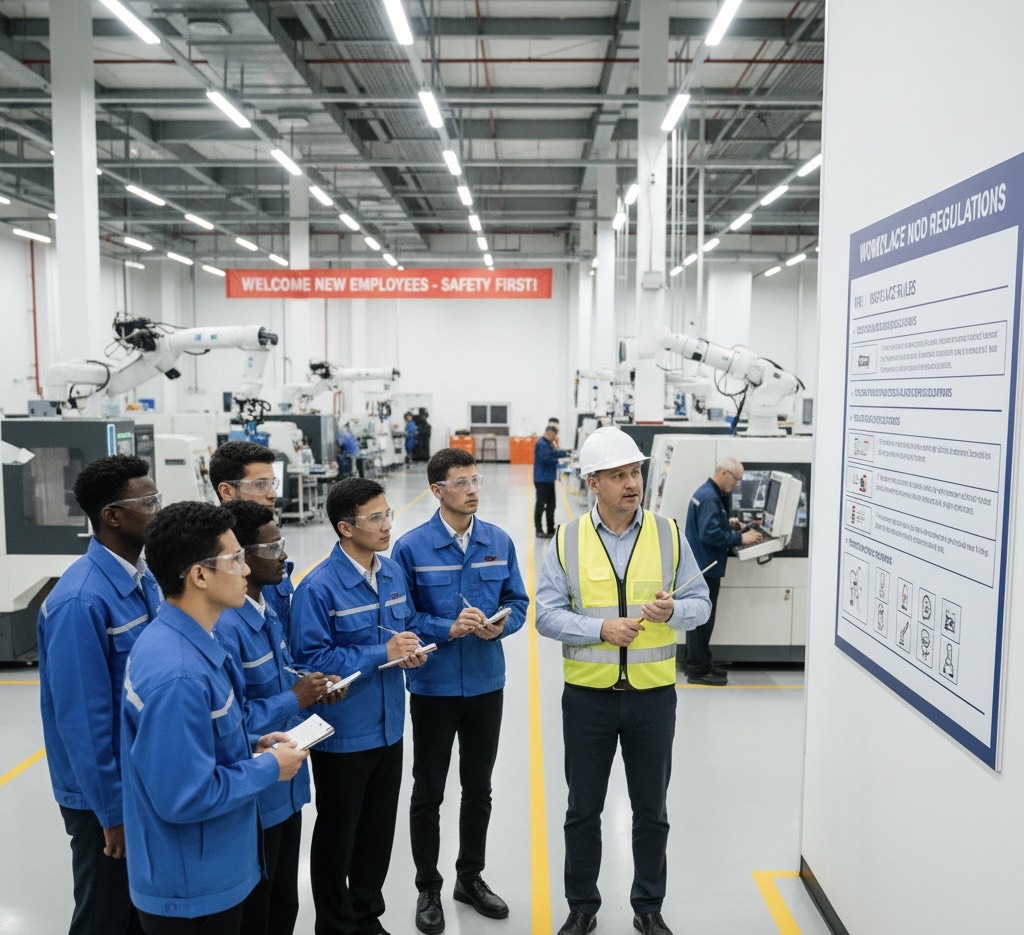
Real Success Stories from Students in Milan and Rome
Profiles of students who transitioned from study to work illustrate practical lessons. For example, a business graduate in Milan secured a digital marketing role through internship experience and LinkedIn networking.
A hospitality student in Rome used language skills and event coordination experience to join a major tourism agency. These real walk-throughs showcase how preparation, resilience, and strategy convert potential into employment.
Conclusion: Building a Career in Milan and Rome as an International Student
Milan and Rome offer rich, diverse job markets that reward skilled, motivated international students. Milan leans toward tech, business, innovation, and finance, while Rome excels in services, public sector roles, cultural management, and tourism.
Success depends on aligning academic background with demand, mastering both technical and soft skills, using strategic job search tools, understanding legal requirements, and embracing Italian language and workplace culture.
With preparation and persistence, international students can not only find jobs in Italy but build thriving long-term careers.
See if a public university in Italy is realistic for you