
Contents
Understanding Italian Student Culture
Italian universities emphasize both academic rigor and social connections. Students often form tight-knit groups that meet outside class for study sessions, coffee, or cultural outings. For international students, recognizing the value of peer networks early on can greatly enhance both academic and personal growth. Active engagement helps integrate into the local student community, creating long-term friendships and support systems.
Making Friends in Italy
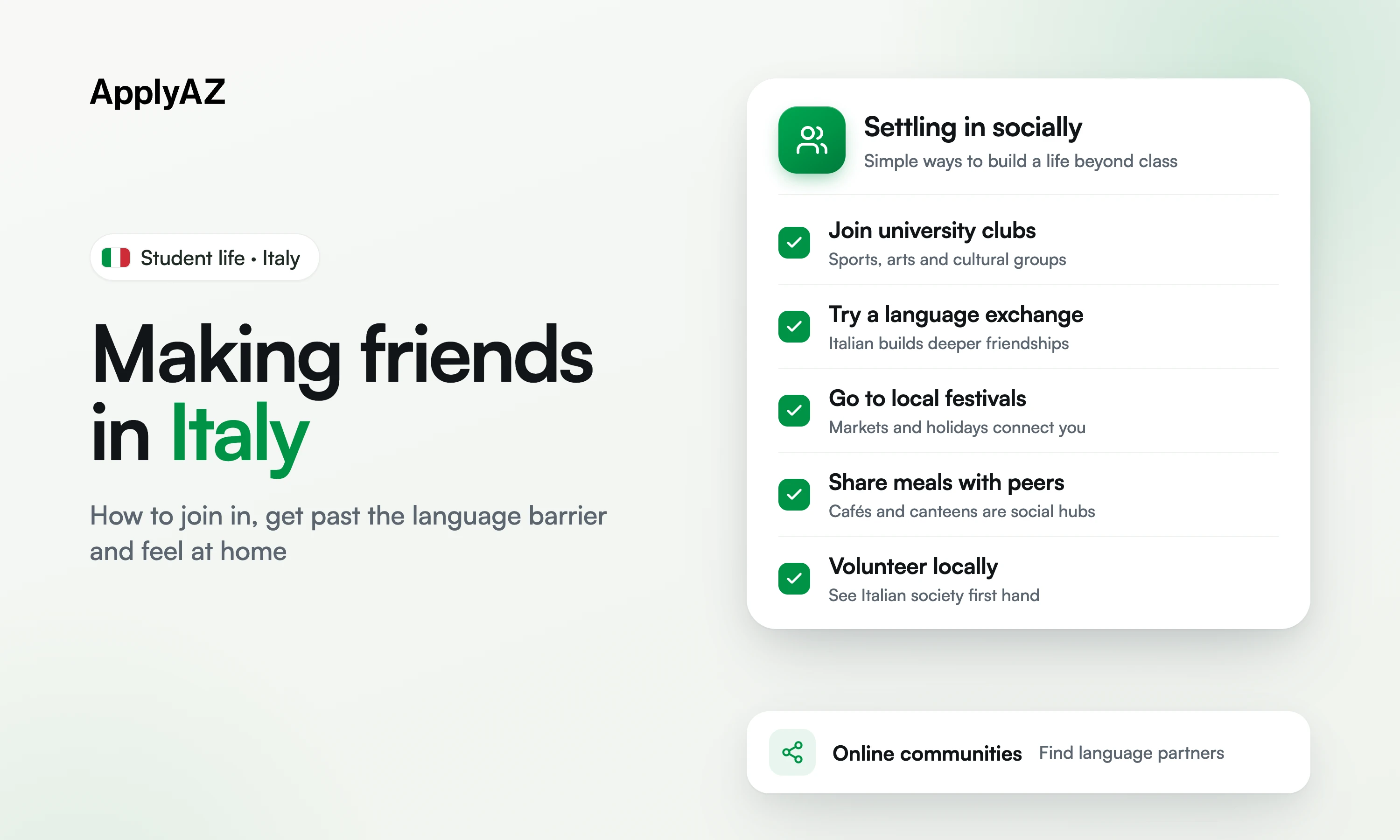
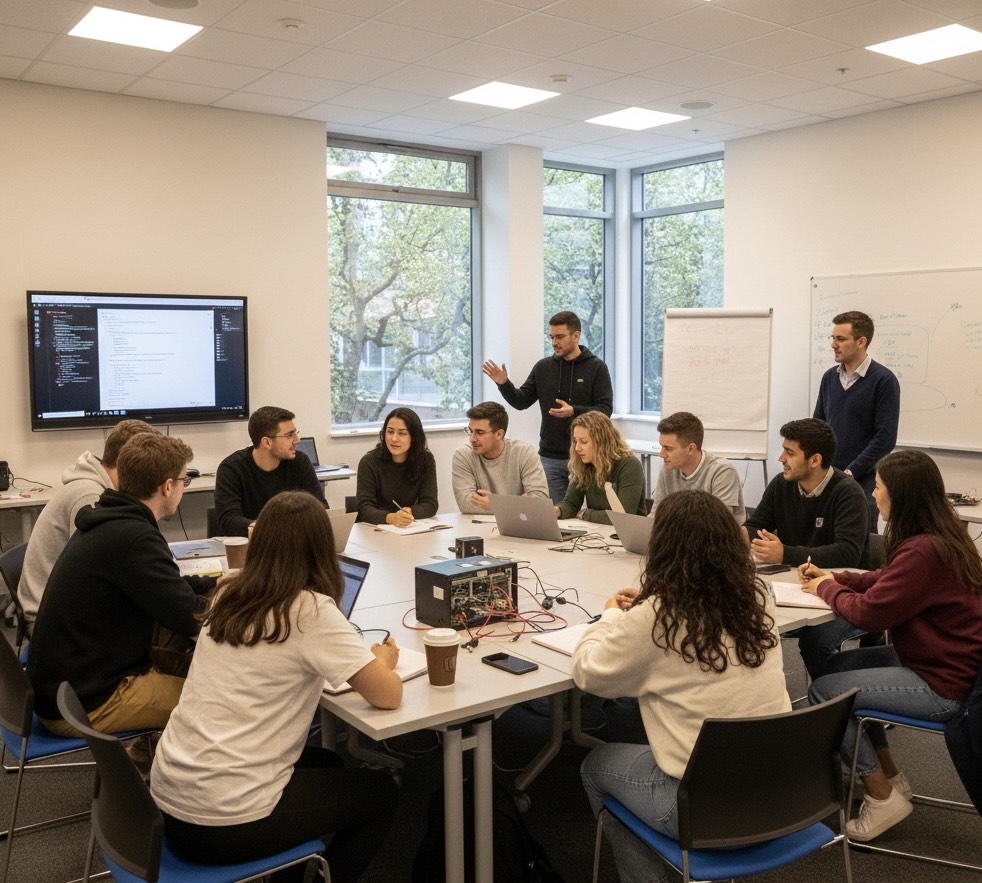
Building friendships in a new country requires openness and initiative. Many Italian students are welcoming, but cultural differences may affect communication styles. Joining study groups, attending social events, and participating in university clubs can accelerate friendships. International students who take the first step in social interactions often feel more connected and less isolated.
University Clubs and Associations
Italian universities offer a wide range of clubs, from sports and arts to professional and cultural organizations. Joining clubs allows students to meet like-minded peers, practice Italian in informal settings, and engage in community projects. These groups often host events that introduce students to Italian customs, holidays, and traditions, fostering cultural understanding alongside social bonds.
Navigating Language Barriers
Language can be a major barrier for international students. While many Italians speak English, immersion in Italian helps in building deeper relationships. Participating in conversation groups, language exchange programs, and casual campus interactions improves fluency and confidence. Overcoming language challenges is essential for meaningful integration and social participation.

Exploring Cultural Festivals and Local Traditions
Italy's rich cultural calendar offers opportunities for students to experience local traditions. Festivals, markets, and public holidays provide insight into Italian society and allow students to engage with the community. Active participation in these events strengthens social connections and fosters a sense of belonging beyond the university environment.
Managing Homesickness and Social Isolation
Being far from home can lead to feelings of loneliness. Students are encouraged to maintain contact with family while also investing in local social networks. Universities often offer counseling and peer support programs to help international students adapt socially and emotionally. Proactive engagement in social life reduces homesickness and promotes well-being.
Dining and Socialising in Italy
Sharing meals is central to Italian culture. Cafés, pizzerias, and university canteens are common social hubs. Participating in meals with peers helps international students build bonds and practice conversational Italian. Understanding local dining etiquette enhances comfort and respect in social settings.
Volunteer Opportunities and Community Engagement
Many universities encourage students to volunteer or participate in community service. Engagement outside the classroom allows students to experience Italian society firsthand, meet diverse groups, and contribute positively to local communities. Volunteering also enhances resumes while reinforcing cultural integration.
Social Life in Big Cities vs. Small Towns
The social experience varies depending on city size. Major cities like Florence, Milan, and Rome offer vibrant nightlife, cultural events, and diverse student populations. Smaller towns may have fewer organized activities, but close-knit communities provide more intimate social networks. Adapting strategies for engagement according to location is key to a successful experience.
Online Communities and Digital Networking
Social media and student platforms provide important avenues for meeting people, sharing events, and joining interest-based groups. International students can connect with local peers, find language partners, and stay informed about cultural happenings. Online networks complement in-person interactions and reduce social barriers.
Balancing Academics and Social Life
Maintaining a healthy balance between studies and social activities is critical. Active social engagement enhances mental health and cultural understanding but should not compromise academic responsibilities. Effective time management and prioritization ensure that students benefit from both worlds.

Long-Term Benefits of Cultural Integration
Students who actively integrate into Italian social life experience personal growth, improved language skills, and broader cultural awareness. These experiences foster lifelong friendships, professional networking opportunities, and a deeper appreciation of Italian society. Integration contributes to a well-rounded and fulfilling study abroad experience.
Final Conclusion
For international students in Italy, social life and cultural integration are as critical as academic performance. By proactively joining clubs, engaging in cultural events, navigating language challenges, and balancing social and academic responsibilities, students can maximize their experience. Successful integration enhances not only personal well-being but also professional development, creating memories, networks, and skills that extend far beyond university years.
See if a public university in Italy is realistic for you