
Contents
Overview of Italian Transportation for Students
Italy has a diverse transportation system combining trains, buses, trams, metros, and regional connections. For international students, learning how each system works is essential. Large cities like Rome, Milan, or Florence have dense metro and tram networks, while smaller towns often rely primarily on buses. Understanding schedules, ticket types, and payment methods is key to avoiding daily stress.
Public Transport in Major Cities
Big cities feature metros, trams, and extensive bus networks. Metro lines in Milan and Rome are fast and convenient for commuting across districts. Students can purchase monthly or yearly passes that significantly reduce travel costs. Learning local routes early can save time and help navigate campus, student housing, and city centres efficiently.
Public Transport in Smaller Towns
Smaller cities, such as Perugia, Lecce, or Trieste, have fewer transport options. Buses are usually the main mode of transport, and frequencies are lower than in major cities. Students often need to adapt by cycling or walking more frequently. Planning ahead is crucial to ensure arriving on time for classes or exams.
Regional Trains and Intercity Travel
Italy's regional and intercity trains connect major cities and towns efficiently. Trenitalia and Italo are the main train providers. Students can benefit from discounted fares, especially with youth or student cards. Regional trains are slower but cheaper, while high-speed options are faster for longer journeys between cities.

Student Passes and Discounts
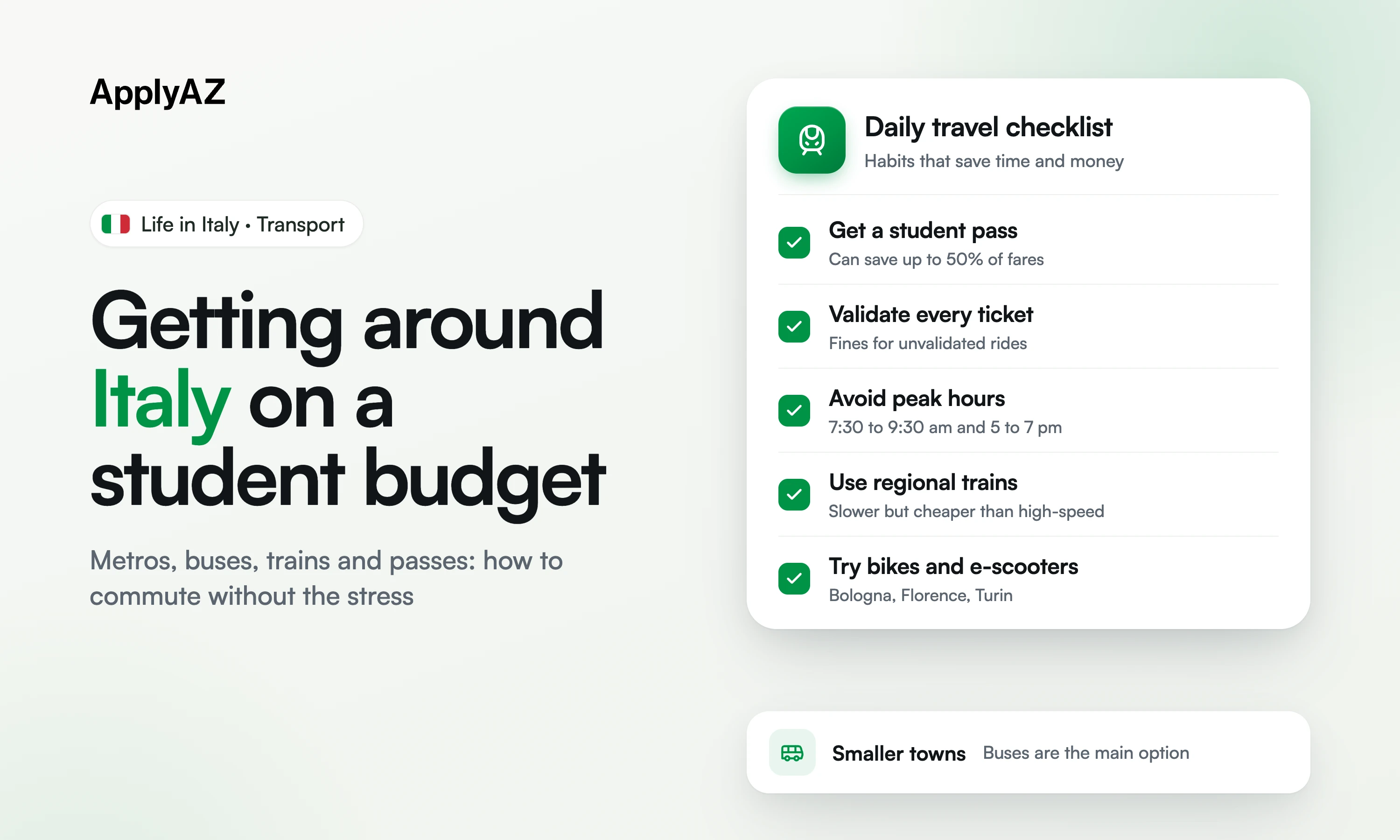
Most cities offer student transport passes, which provide unlimited rides on buses, trams, and metros for a fixed period. These passes can save up to 50% of regular fares. Registering as a student early and understanding eligibility requirements is essential to maximise savings.
Payment Systems and Tickets
Tickets vary by city and transport type. Some cities use paper tickets, while others rely on contactless cards or apps. Validating your ticket is mandatory, and fines for unvalidated rides can be high. International students must learn the system early to avoid penalties.
Cycling and Micromobility Options
Many Italian cities have embraced cycling lanes and shared micromobility solutions, such as e-scooters and bikes. Cities like Bologna, Florence, and Turin are especially bike-friendly. Using these options can save money, improve health, and help navigate areas poorly served by public transport.
Walking and Campus Accessibility
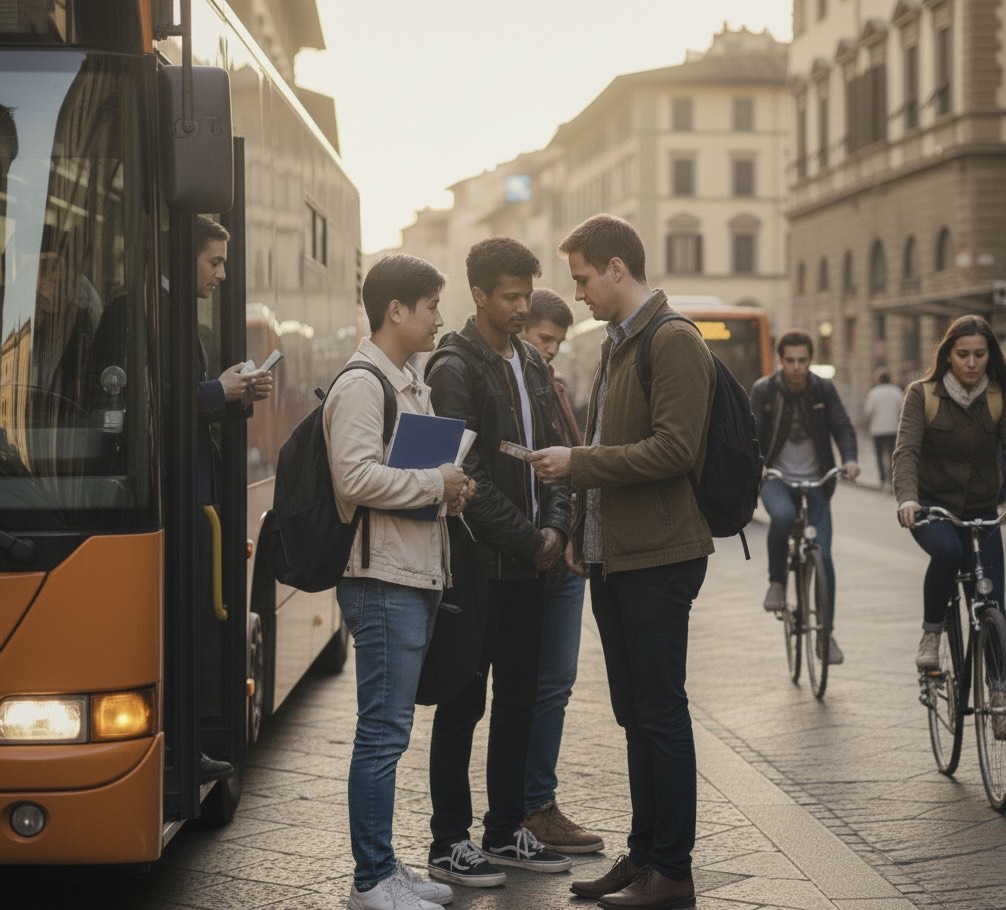
Walking remains one of the most reliable ways to move around smaller cities and university campuses. Italian urban design often favours pedestrians, and many historical centres restrict car traffic. Students living close to campus benefit from walking, which is convenient and cost-effective.
Daily Challenges and Peak Hours
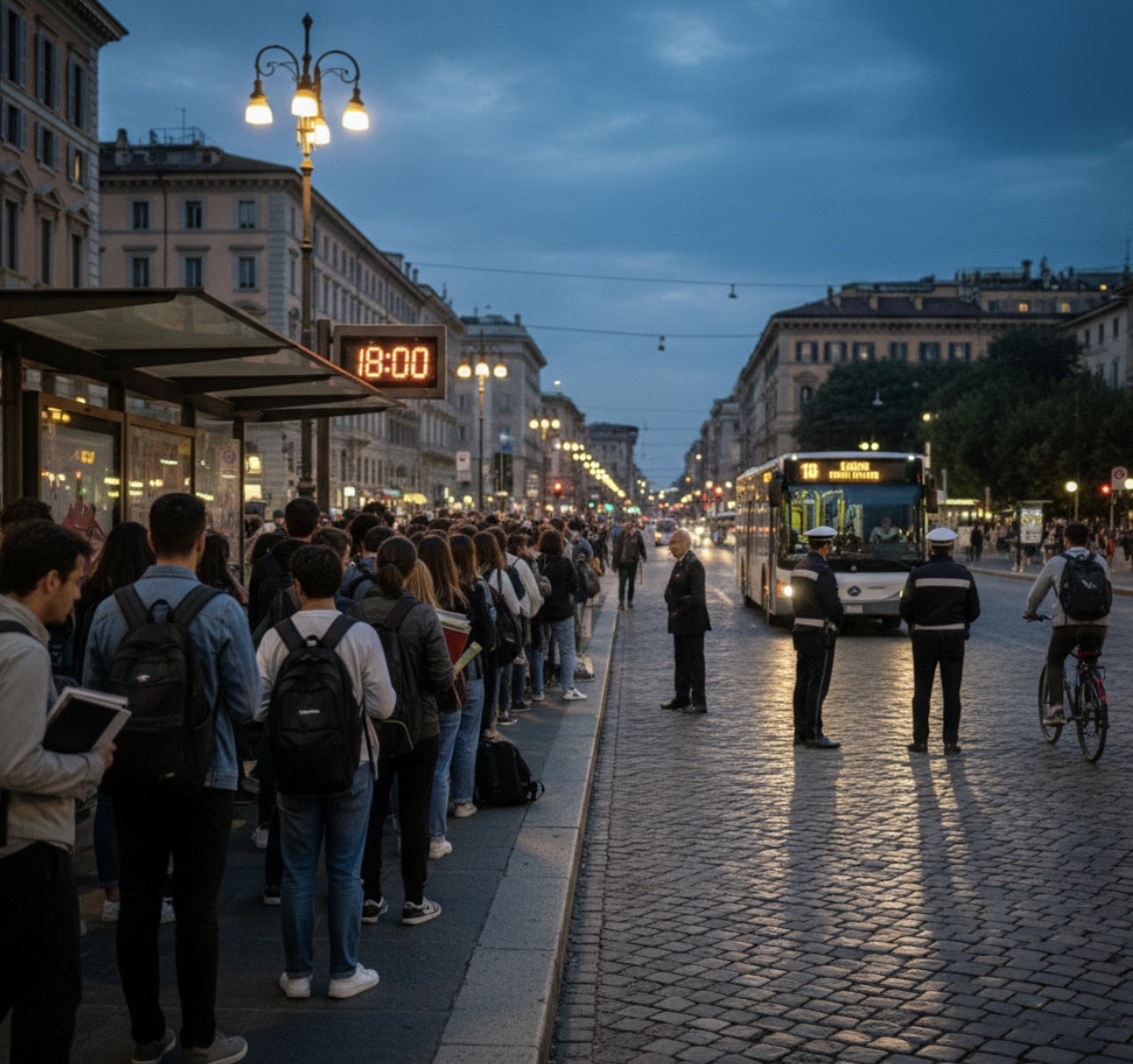
Students should be aware of peak commuting hours, typically 7:30-9:30 AM and 5-7 PM. Crowding can be significant in metros and buses, particularly in Milan or Rome. Planning travel times outside peak hours can reduce stress and improve the daily commuting experience.
Navigating Travel Between Cities
For weekend trips or academic obligations in other regions, Italy offers multiple options: trains, long-distance buses, and car sharing. High-speed trains connect major cities in 2-3 hours. For budget-conscious students, regional trains or bus companies like FlixBus provide cheaper alternatives, though travel time is longer.
Safety and Etiquette in Transportation
While public transport is generally safe, students should be mindful of personal belongings, especially in crowded areas. Understanding local etiquette, such as giving up seats to elderly passengers or avoiding loud phone conversations, helps integrate socially and avoid conflicts.
Tips for International Students to Optimise Daily Travel
Planning routes in advance, using apps for schedules, purchasing student passes, exploring cycling options, and learning city-specific rules can significantly improve the commuting experience. Combining different modes of transport efficiently allows students to save time, reduce costs, and enjoy mobility throughout Italy.
Final Conclusion
Navigating Italy as an international student requires understanding both large city metros and small-town bus systems. By leveraging student passes, exploring alternative mobility options like cycling, and planning ahead for peak hours, students can travel efficiently, save money, and make the most of their academic and social life. Knowing how transportation works in both major and minor cities ensures that moving around Italy becomes an advantage rather than a daily challenge.
See if a public university in Italy is realistic for you